What if the digestive issues you keep brushing off deserve a closer look?
Bloating that comes and goes. An unpredictable digestive system. Changes in energy. Food sensitivities that seem to appear out of nowhere.
These symptoms can have many explanations, and they don't automatically mean you have a parasite. But when digestive discomfort persists, it's worth looking beyond what you're eating and considering the bigger picture of gut health.
Parasites are organisms that live in or on a host and obtain nutrients from that host. Some can infect the human digestive tract, and exposure isn't limited to international travel. Contaminated food or water, undercooked meat or seafood, and certain environmental exposures can all play a role.
At UNI KEY Health, we believe digestive health deserves thoughtful attention. That's why we're taking a closer look at traditional herbal cleansing, the importance of gut flora, and the role of a structured routine like our 30-Day Parasite Cleanse Kit.
The Parasite Question: What Should You Know?
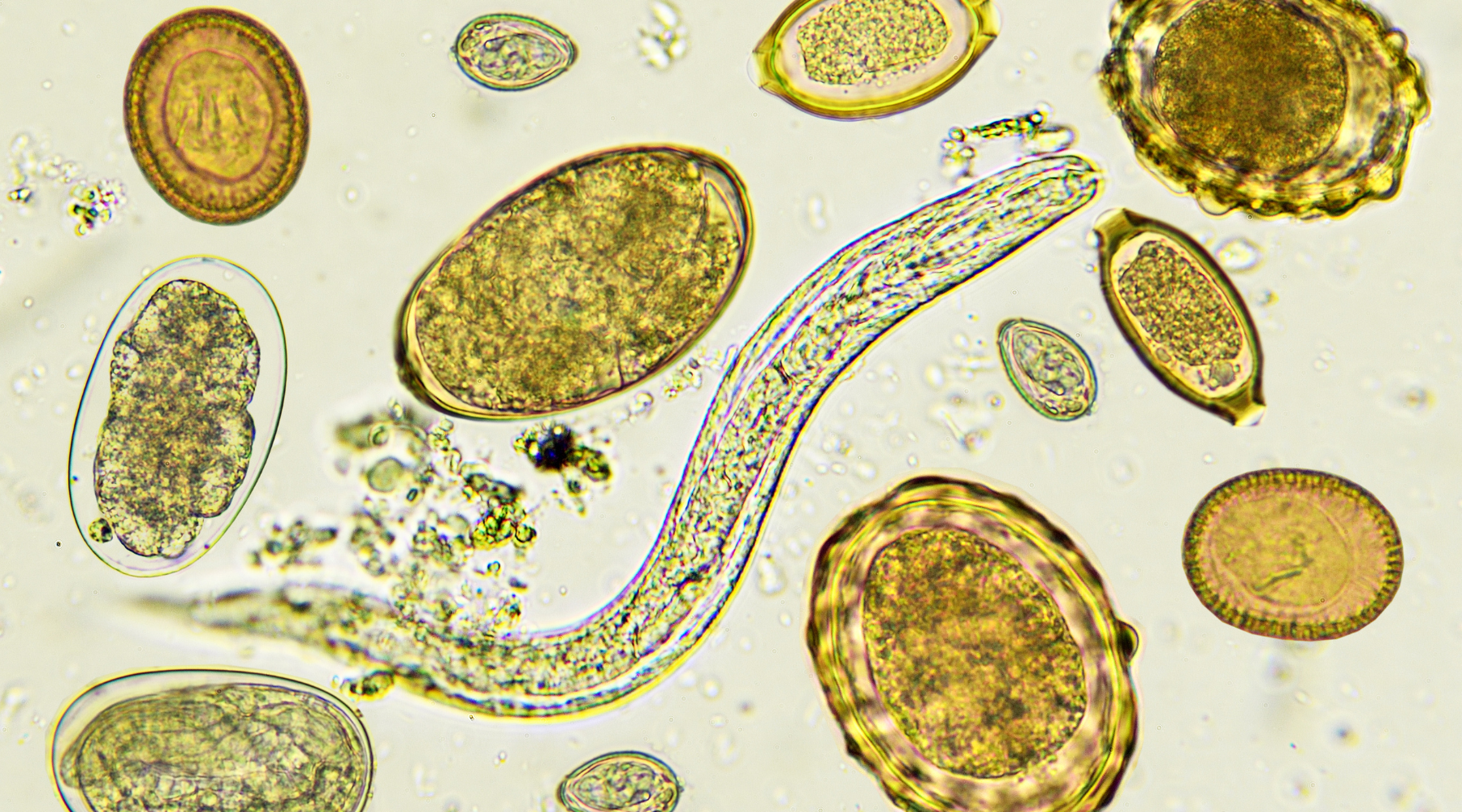
When most people hear the word parasite, they picture something obvious. But human parasites come in different forms, and many are microscopic.
Two broad categories are especially important:
- Protozoa: Single-celled organisms such as Giardia and Cryptosporidium. Some can spread through contaminated food or water.
- Helminths: Parasitic worms, including pinworms, roundworms, tapeworms, and flukes.
Exposure can happen in everyday situations, including:
- Eating undercooked meat, fish, or seafood
- Drinking contaminated or untreated water
- Consuming produce that hasn't been properly washed
- Traveling to areas where certain parasites are more common
- Contact with contaminated soil or surfaces
- Close contact with infected people or animals, depending on the parasite
Good food safety, clean drinking water, handwashing, and appropriate pet care are important ways to reduce exposure.
Could Your Digestive Symptoms Be Telling You Something?
Parasite infections don't all look the same. Some cause noticeable digestive symptoms, while others may cause few or no symptoms at all.
In traditional cleansing conversations, people often mention a variety of symptoms they associate with possible parasite activity, including:
- Recurring bloating, gas, or abdominal discomfort
- Constipation or changes in bowel habits
- Unexplained fatigue or low energy
- Sugar cravings or changes in appetite
- Brain fog or difficulty concentrating
- Anal itching, particularly at night
- Teeth grinding during sleep
- Skin irritation or unexplained itching
- Food sensitivities or digestive discomfort
If you experience persistent symptoms or suspect you've been exposed to a parasite, speak with your healthcare provider. Appropriate testing can help identify whether a parasitic infection is actually present.
Why a Structured Gut-Cleansing Routine Matters
When people explore herbal cleansing, they often focus on one ingredient or one product. But a thoughtful digestive-support routine considers more than that.
There are three important areas to think about:
1. Traditional Herbal Support
Several botanicals have a long history of use in traditional herbal cleansing practices. Black walnut, wormwood, cloves, grapefruit seed extract, and other plant ingredients are commonly discussed in this area.
2. Digestive and Elimination Support
Your digestive system is responsible for breaking down food, absorbing nutrients, and moving waste through the body. Hydration, dietary fiber, regular meals, and healthy bowel habits all contribute to normal digestive function.
3. Probiotic and Microbiome Support
Your intestinal tract is home to a complex community of microorganisms, including beneficial bacteria. This community, known as the gut microbiome, plays a role in digestion and normal immune function.
Probiotics provide live microorganisms that may offer health benefits when consumed in adequate amounts. Including probiotic support in a broader digestive routine can be one way to help maintain a healthy gut environment.
This three-part approach is the inspiration behind UNI KEY's 30-Day Parasite Cleanse Kit.
Meet the UNI KEY 30-Day Parasite Cleanse Kit
Rather than piecing together several different products, the 30-Day Parasite Cleanse Kit brings together three complementary formulas in one convenient package.
Developed around Ann Louise Gittleman's long-standing interest in traditional herbal cleansing, this program combines two herbal formulas with a probiotic powder to support a structured digestive routine.

30-Day Parasite Cleanse Kit
- ✓ Includes Para-Key® herbal capsules
- ✓ Includes Verma-Plus® herbal tincture
- ✓ Includes Flora-Key® probiotic powder
- ✓ Includes step-by-step Quick Start Guide
What's Inside the 30-Day Parasite Cleanse Kit?
Each kit includes three UNI KEY formulas designed to bring herbal cleansing and probiotic support together.
Para-Key®: A Traditional Herbal Capsule Formula
Para-Key is an herbal capsule formula featuring a blend of traditional botanicals, including:
- Cranberry fruit extract
- Grapefruit seed extract
- Sweet wormwood leaf
- Slippery elm bark
- Bromelain
- Pomegranate fruit extract
- Peppermint leaf
- Quassia bark
These ingredients have histories of use in traditional herbal practices. Para-Key is included as the capsule component of the kit's herbal cleansing routine.
Verma-Plus®: A Traditional Herbal Tincture
Verma-Plus is a botanical tincture featuring herbs traditionally associated with intestinal cleansing.
Its ingredient blend includes:
- Black walnut hull
- Wormwood aerial portion
- Centaury aerial portion
- Male fern root
- Orange peel
- Clove bud
- Butternut root bark
Verma-Plus complements Para-Key as the liquid herbal component of the program.
Flora-Key®: Probiotic Support for Your Gut
Flora-Key provides probiotic support as part of the kit's broader digestive routine.
Each serving provides 20 billion active organisms from five probiotic strains, along with prebiotic inulin:
- Lactobacillus acidophilus
- Bifidobacterium bifidum
- Bifidobacterium longum
- Lactobacillus plantarum
- Lactobacillus reuteri
Probiotic bacteria and prebiotic fiber help support a healthy intestinal microbiome and normal digestive function.
How the 30-Day Parasite Cleanse Program Is Structured
One of the defining features of this kit is that it follows a planned routine rather than asking you to figure out how to combine several products on your own.
The program uses a sequence of herbal support and probiotic replenishment:
Phase 1: Begin the Herbal Routine
The first two weeks focus on Para-Key and Verma-Plus, following the product directions and the included Quick Start Guide.
This phase introduces the herbal formulas as part of the program's traditional cleansing approach.
Phase 2: Take a Five-Day Break
The next five days are a planned break from the cleansing products while continuing the recommended dietary routine.
Use this time to stay consistent with hydration, balanced meals, and healthy digestive habits.
Phase 3: Resume the Routine and Add Probiotic Support
During the final two weeks, the program resumes Para-Key and Verma-Plus and adds Flora-Key according to the included directions.
This final phase brings probiotic support into the routine as you continue focusing on digestive health.
Important: Always follow the current product labels and the included Quick Start Guide for the exact schedule and serving directions. This routine is not a substitute for diagnosis or treatment of a parasitic infection.
Why Some Practitioners Pay Attention to the Full Moon
Here's an interesting tradition you may encounter when researching herbal parasite cleanses: some practitioners have historically recommended paying extra attention to cleansing routines around the full moon.
In traditional cleansing circles, the full moon has long been associated with changes in cravings, digestion, sleep, and perceived parasite activity. Some people report noticing more bloating, restlessness, or food cravings during this time.
While there isn't reliable clinical evidence that parasites become more active during a full moon, this traditional perspective remains part of the history of herbal cleansing.
You don't need to wait for a particular moon phase to begin the UNI KEY 30-Day Parasite Cleanse Kit. The most important thing is to follow the program directions consistently and complete the recommended routine.
What to Eat During a Gut-Cleansing Routine
Food choices matter when you're working toward better digestive health. While no particular diet has been proven to eliminate intestinal parasites, a balanced eating plan can help support normal digestion and overall nutritional needs.
During the UNI KEY program, the included dietary guide provides additional food recommendations. In general, focus on nourishing meals built around whole foods.
Foods to Emphasize
Pumpkin Seeds: Pumpkin seeds provide fiber, magnesium, zinc, and healthy fats. They are also a traditional food often included in herbal cleansing routines.
Garlic: Garlic adds flavor to meals and contains naturally occurring sulfur compounds. It has a long history of use in traditional food and herbal practices.
Cooked Vegetables: Vegetables provide fiber and important micronutrients. Try cooked greens, broccoli, zucchini, carrots, and other vegetables you tolerate well.
Quality Protein: Eggs, fish, poultry, and other protein sources help provide the building blocks your body needs to maintain muscle and support normal function.
Healthy Fats: Include nourishing fats from foods such as olive oil, avocado, and seeds to make meals satisfying and nutritionally balanced.
Hydration: Drink enough water throughout the day to support normal digestion and bowel function.
Foods and Habits to Limit
Rather than following an unnecessarily restrictive diet, consider reducing foods that can make it harder to maintain balanced eating habits:
- Added sugars and highly sweetened foods
- Excessive refined carbohydrates
- Alcohol
- Highly processed snack foods
- Meals that consistently leave you feeling uncomfortable
The kit's Quick Start Guide includes specific dietary recommendations for the program. Follow those instructions if they are appropriate for your individual needs, and consult a healthcare professional before making major dietary changes.
Don't Forget the Everyday Habits That Protect Your Gut
A digestive-support routine doesn't end with supplements. Everyday habits can help reduce exposure to certain parasites and support long-term digestive health.
- Wash produce: Use vinegar or baking soda and rinse fruits and vegetables thoroughly under clean running water.
- Cook foods safely: Follow food-safety guidance for meat, fish, and seafood.
- Be mindful of drinking water: Use safe drinking water, especially when traveling.
- Practice good hand hygiene: Wash hands after using the bathroom, handling raw foods, gardening, and handling animal waste.
- Care for pets: Keep pets current on veterinary-recommended parasite prevention and deworming.
- Support regular digestion: Prioritize fiber, fluids, movement, and consistent meals.
These practical steps are important because prevention and appropriate medical care are more reliable ways to address parasite exposure than relying on a cleanse alone.
Is a Parasite Cleanse Right for Everyone?
Not necessarily. Herbal supplements can have side effects and interactions, and a natural ingredient is not automatically safe for every person.
Before starting the 30-Day Parasite Cleanse Kit, keep the following precautions in mind:
- Do not use the kit while pregnant or nursing.
- Consult a healthcare professional before use if you have a medical condition or take prescription medications.
- Para-Key contains grapefruit seed extract. Grapefruit-related ingredients may interact with certain medications, so review your medications with a pharmacist or healthcare professional.
- Verma-Plus is an alcohol-based tincture. Check the label and consult your healthcare professional if alcohol exposure is a concern.
- Do not give the kit to children without guidance from a qualified healthcare professional.
If you suspect you have a severe parasitic infection, seek medical evaluation. Some infections require specific prescription medications, and an herbal cleanse should not delay appropriate testing or treatment.
A Thoughtful Approach to Digestive Health Starts Here
Your gut does more than process food. It plays an important role in nutrient absorption, normal immune function, and the everyday processes that help keep your body functioning well.
That's why we believe digestive support should be approached with a plan, not guesswork.
The UNI KEY 30-Day Parasite Cleanse Kit brings together three formulas: Para-Key and Verma-Plus for a traditional herbal cleansing routine, and Flora-Key for probiotic support.
Whether you're learning more about traditional herbal cleansing or looking for a convenient way to organize your digestive-support routine, the kit gives you a structured starting point, complete with a Quick Start Guide.
Take a closer look at what's included and see whether this program fits your wellness routine.
Frequently Asked Questions About the 30-Day Parasite Cleanse
What is included in the UNI KEY 30-Day Parasite Cleanse Kit?
The kit includes three products: Para-Key herbal capsules, Verma-Plus herbal tincture, and Flora-Key probiotic powder. It also includes a Parasite Cleanse Quick Start Guide with instructions for following the program.
How long does the 30-Day Parasite Cleanse take?
The program is designed around a 30-day routine. It includes an initial two-week herbal phase, a five-day break, and a final two-week phase that resumes the herbal formulas and adds Flora-Key. Follow the included guide for the exact schedule.
Why does the kit include three different products?
Each formula has a different role in the routine. Para-Key and Verma-Plus provide traditional herbal ingredients, while Flora-Key provides five probiotic strains and prebiotic inulin to support a healthy gut microbiome.
Can bloating and fatigue mean I have parasites?
Not necessarily. Bloating, fatigue, changes in bowel habits, and other digestive complaints can have many causes. These symptoms alone cannot confirm a parasite infection. If symptoms persist or you have experienced a possible exposure, talk with your healthcare provider about appropriate testing.
Do I need a parasite test before starting a cleanse?
A healthcare professional can help determine whether testing is appropriate based on your symptoms and exposure history. Stool testing is commonly used to identify certain intestinal parasites. If you suspect an infection, testing and medical guidance are important before relying on a supplement routine.
What should I eat during the 30-day program?
The included Quick Start Guide provides dietary recommendations for the program. In general, prioritize vegetables, quality protein, healthy fats, hydration, and fiber-rich foods. The guide may recommend limiting certain foods during the routine, but dietary needs vary from person to person.
Can I take the kit if I'm on medication?
Check with your healthcare professional or pharmacist before starting. Para-Key contains grapefruit seed extract, which may interact with certain medications. Verma-Plus also contains an alcohol base. Review all ingredients and medication interactions before use.
Can I use the kit while pregnant or nursing?
No. The product directions state not to use the kit while pregnant or nursing.
Where can I find the instructions for the cleanse?
Each kit includes a Parasite Cleanse Quick Start Guide. You can also review the 30-Day Parasite Cleanse Kit product page for current product directions and protocol information.
These statements have not been evaluated by the Food and Drug Administration. These products are not intended to diagnose, treat, cure, or prevent any disease.
Related Reading
- Ann Louise Gittleman, Guess What Came to Dinner? Parasites and Your Health
- Parasite Cleanse: What It Is, Signs to Watch For, and How to Do It Safely
- Black Walnut Hull Benefits: Nature’s Parasite Fighter
- At-Home Gut Health Test: How to Choose the Right One
- Parasite Cleanse Diet: What to Eat (and Avoid)
- How to Wash Produce to Reduce Parasite Risk (What Actually Works)
- Parasites in Food: How They Get In and How to Protect Yourself
- Signs of Parasites in Humans: What to Watch For