

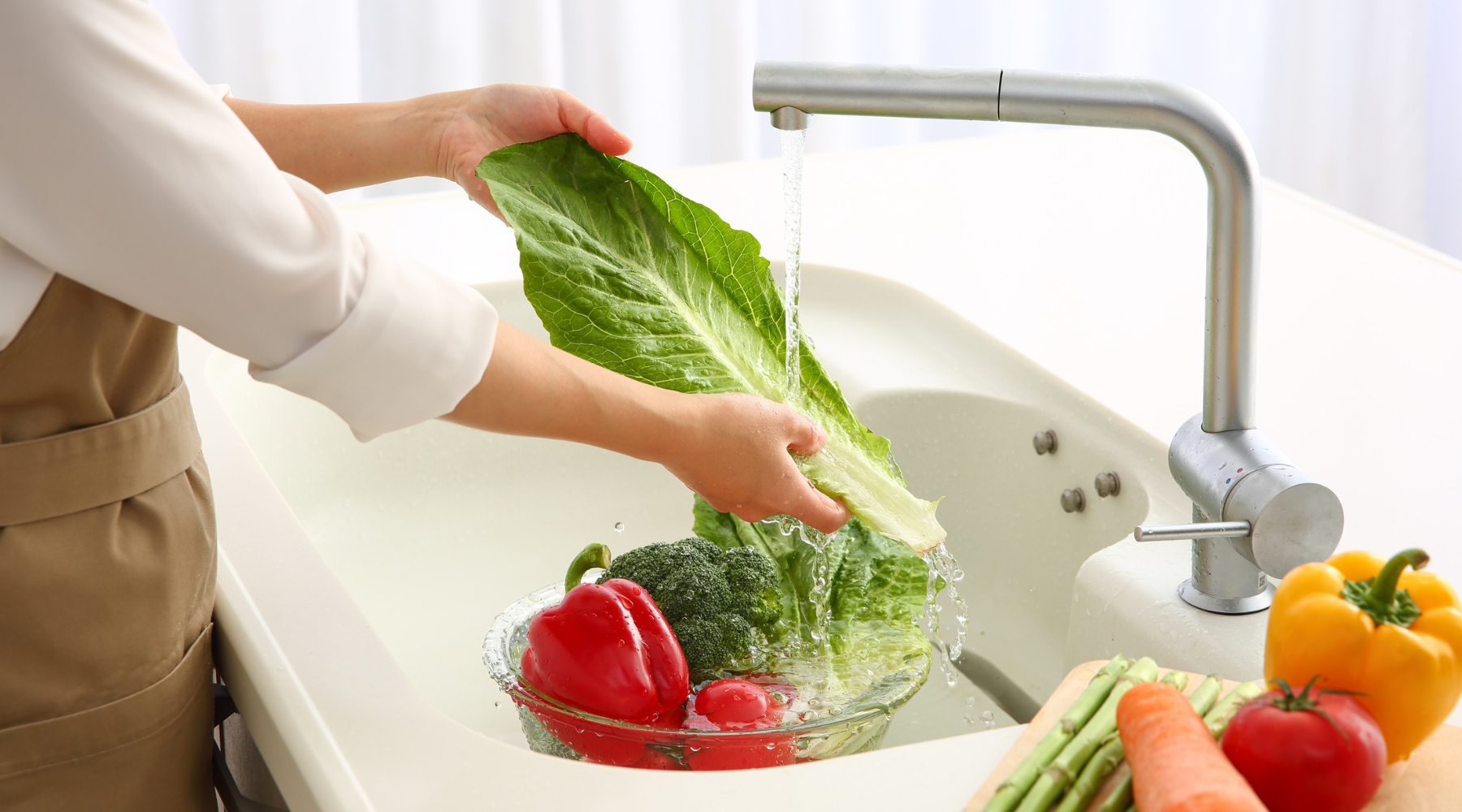
A nationwide parasite outbreak tied to fresh lettuce and cilantro has a lot of people looking at their salad bowl a little differently this week. And the question underneath the headlines is a practical one: can you actually clean produce well enough to protect your family, and does rinsing do anything at all against a parasite?
The short version is that washing helps, it just does not do the whole job on its own. Below is how to wash fruits and vegetables properly, where rinsing runs out of road, and the handful of kitchen habits that lower your risk more than any single rinse ever will.
This article is for general education and is not medical advice. If you have eaten a recalled product and develop symptoms like prolonged watery diarrhea, contact your healthcare provider. Some foodborne parasites require prescription treatment.
What Washing Can and Cannot Do
Rinsing produce reduces the number of germs and parasites on the surface, and reducing that load lowers your odds of getting sick. So washing is always worth doing. What it cannot do is make a contaminated food safe with certainty.
Cyclospora, the parasite behind the current lettuce outbreak, is a good example of why. It is microscopic, it clings tightly to the crevices and waxy surfaces of leaves and skins, and the FDA has said plainly that it can be difficult to wash off. Some parasite eggs are sticky enough to survive a normal rinse entirely. That is why food-safety agencies frame washing as one layer of protection rather than a guarantee, and why recalls exist at all. If washing removed everything, a recall would just say rinse it well.
How to Wash Produce Properly
Done right, washing still removes a meaningful share of surface contamination. Here is the method food-safety experts recommend:
- Wash your hands first. Twenty seconds with soap and water, before and after you handle fresh produce. Your hands are one of the most common ways germs get onto food in the first place.
- Rinse under cool running water. Moving water plus a gentle rub with your fingers lifts far more than letting produce sit in a still bowl, where loosened dirt and organisms just float back onto it.
- Use a clean brush on firm produce. For potatoes, carrots, cucumbers, and melons, a vegetable brush works into the surface texture that rinsing alone skims over.
- Skip the soap, bleach, and produce washes. The FDA recommends plain water. Soaps and detergents are not meant to be eaten and can leave residue, and commercial produce washes have not been shown to beat water in testing.
- Dry with a clean cloth or paper towel. The friction of patting dry removes a little more, and it does not hurt.
- Wash it even if you plan to peel it. Your knife drags whatever is on the rind straight onto the flesh you eat. This is a real route for cantaloupe and cucumber contamination.
- Wash right before you eat, not before you store. Washing then refrigerating adds moisture that helps bacteria grow. Wash at the point of use.
Why Leafy Greens Are the Hardest Case
Lettuce, spinach, and mixed greens turn up in outbreak after outbreak, and it is not bad luck. Their ruffled leaves have enormous surface area and countless folds where a parasite can lodge out of reach of running water. They are also eaten raw, so there is no cooking step to fall back on.
Bagged, pre-washed salads add another wrinkle. The label says washed, but pre-washed does not mean sterile, and if even one contaminated leaf goes into the bag, the mixing and moisture can spread organisms across the whole thing. Whole heads are not immune, but you can peel off and discard the outer leaves and wash the rest one leaf at a time, which you simply cannot do with a sealed bag of shredded lettuce. During an active outbreak linked to lettuce, some state health departments have told people to choose whole heads over bagged blends for exactly this reason.
And the rule that overrides all of this: if a specific product has been recalled, do not try to wash it clean. Throw it out. No rinse makes a recalled item safe.
The Habits That Matter More Than the Rinse
Since washing has limits, the bigger wins come from the choices around it:
- Take recalls seriously. Check the brand, the use-by date, and the lot code against the recall notice, and check your fridge, since some recalled products have shelf lives that stretch for weeks.
- Cook when the risk is high. Heat destroys parasites that washing leaves behind. Raw salads are wonderful, but during an outbreak, a batch of sauteed or roasted vegetables carries far less risk than the same vegetables raw.
- Stop cross-contamination in your kitchen. Keep separate cutting boards for produce and for raw meat, and scrub any surface or utensil that touched raw meat, fish, or unwashed produce before it touches something you eat raw.
- Mind your water, especially when traveling. Contaminated water is a classic parasite source, both on the farm and in the glass. Abroad, favor bottled or treated water and be cautious with raw foods rinsed in local water.
- Support your own gut defenses. Stomach acid is a frontline barrier that neutralizes many organisms before they take hold, and a balanced microbiome makes your gut a less hospitable place for invaders. A well-supported digestive system is protection you carry with you.
When Careful Is Not Enough
You can do everything right and still get exposed, because you do not control the farm that grew your lettuce, the water it was irrigated with, or the hands that packed it. That is the uncomfortable lesson every produce outbreak teaches, and it is why so many people treat parasite balance as something to stay ahead of rather than react to. A periodic gentle cleanse has been part of the natural-health toolkit for exactly this reason, particularly after travel or a known exposure. UNI KEY's Para-Key and Verma-Plus are formulated to work together as a gentle herbal cleanse that supports the body's natural ability to keep parasites in check. If you want to know whether a cleanse makes sense for you, our complete parasite cleanse guide walks through the signs, the process, and what to expect.
Para-Key & Verma-Plus
UNI KEY's herbal parasite-cleanse pair, formulated to support the body's natural ability to keep parasites in balance. A proactive option when food-safety worries are top of mind.
Shop Para-Key & Verma-Plus →Worried about what's on your plate? See how a gentle parasite cleanse works, step by step.
Read the Parasite Cleanse Guide →Putting It Together
Wash your produce with running water and a bit of technique, respect recalls without exception, lean on cooking and clean kitchen habits when an outbreak is active, and support the gut defenses you carry with you. Washing is one real layer among several, and the people who stay well during a produce outbreak are the ones who stack all of them rather than trusting the rinse to do it alone.
Frequently Asked Questions
Does washing lettuce remove parasites?
Washing reduces contamination but does not reliably remove all parasites, especially Cyclospora, which can cling tightly to produce. Wash thoroughly under running water, and during a recall linked to lettuce, discard the recalled product rather than trying to wash it safe.
Should I use vinegar or a produce wash?
Food-safety authorities recommend plain running water and gentle rubbing. Vinegar soaks and commercial produce washes have not been shown to be meaningfully better than water, and soap or bleach should never be used on food.
Is it safer to buy whole heads of lettuce than bagged salad?
During outbreaks linked to leafy greens, some health departments have advised choosing whole heads over bagged, pre-washed blends, since the many surfaces in bagged salad are harder to clean and "pre-washed" does not mean sterile. With a whole head you can discard the outer leaves and wash the rest one leaf at a time, which a sealed bag does not allow.
Does soaking produce in salt water or vinegar kill parasites?
A salt or vinegar soak may loosen some surface debris, but neither has been shown to reliably kill or remove parasites like Cyclospora, and both can affect the taste and texture of delicate produce. Running water with a gentle rub is the method food-safety agencies actually recommend. For high-risk foods during an outbreak, cooking is far more dependable than any soak.
If I already ate the recalled lettuce, what should I do?
Most people exposed to a foodborne parasite either stay well or recover on their own, so there is no need to panic. Watch for symptoms, especially prolonged or watery diarrhea, stomach cramps, and fatigue, which for Cyclospora can take about a week to appear. If symptoms show up or last more than a couple of days, contact your healthcare provider, because parasites like Cyclospora are diagnosed with a stool test and treated with prescription medication.
Sources and Further Reading
- U.S. Food and Drug Administration: 7 Tips for Cleaning Fruits and Vegetables
- Centers for Disease Control and Prevention: Cyclosporiasis (Cyclospora)
- CDC: Parasites and Food Safety
These statements have not been evaluated by the Food and Drug Administration. These products are not intended to diagnose, treat, cure, or prevent any disease.


