

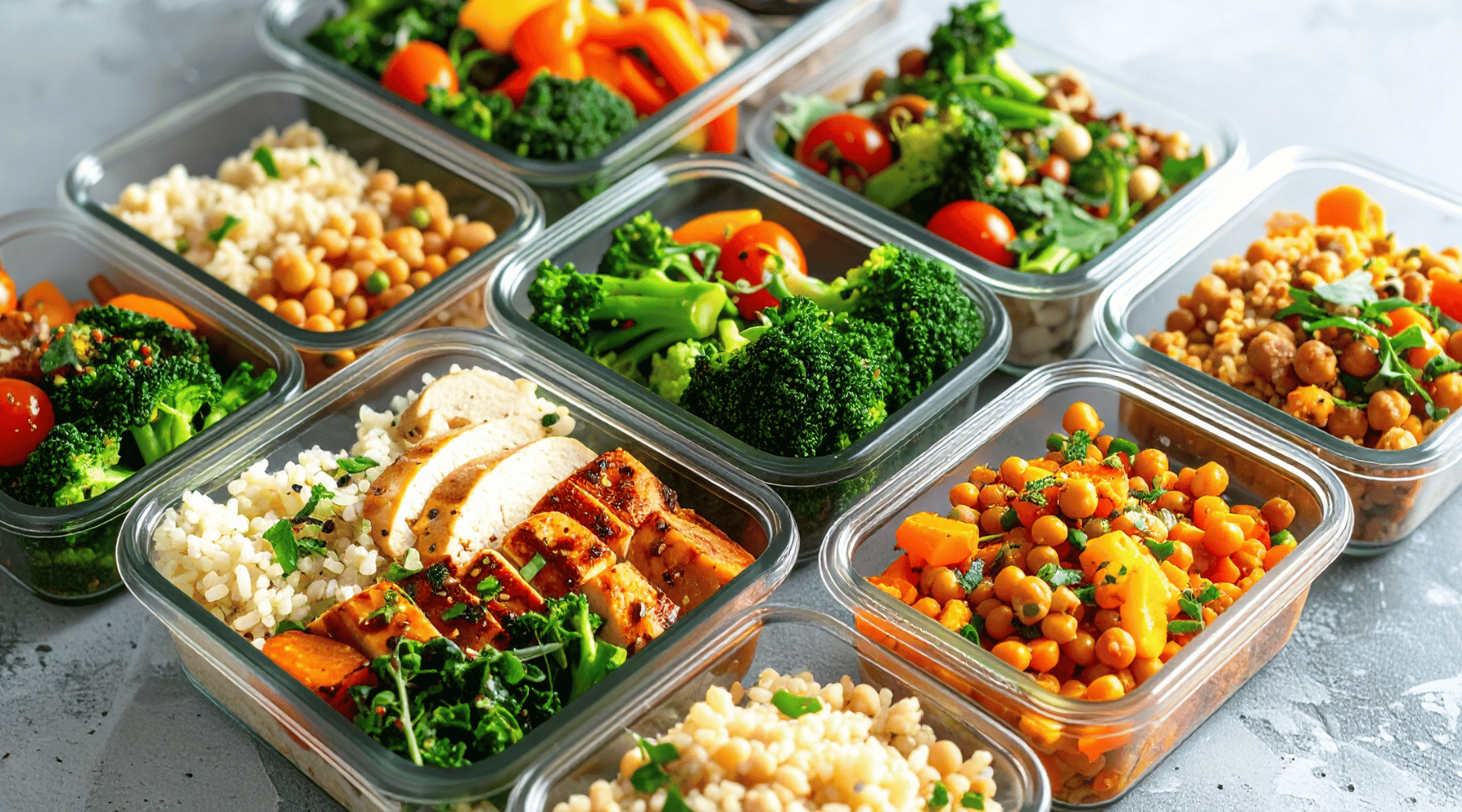
What to Eat During a Parasite Cleanse — and What to Leave Off the Menu
You’ve decided to do a parasite cleanse. You open the box, pull out the diet guidelines. Suddenly what seemed pretty straightforward starts raising a lot of questions.
Can I eat anything besides the foods on this list? Do I really have to give up fruit? Why no salads? What about my vitamins? And if I slip up and eat something I’m supposed to avoid, have I just ruined the whole cleanse?
First, don’t worry. The parasite cleanse diet isn’t meant to be a rigid list of “allowed” and “forbidden” foods. It’s designed to make the 30 days easier on your digestive system while emphasizing foods that support the cleansing process and temporarily cutting back on those that may work against it.
And there’s a reason behind every recommendation.
In this guide, we’ll walk you through exactly what to eat during your 30-Day Parasite Cleanse, what to limit, which supplements to put on hold, and (and most importantly) why. Because once you understand the reasoning behind the guidelines, following them becomes a whole lot easier.
Your 30-Day Parasite Cleanse at a Glance
Before we get into what goes on your plate, it helps to understand how the 30-Day Parasite Cleanse is structured.
The 30-Day Parasite Cleanse is structured in two phases, with a short five-day break in between.
During the first two weeks, Para-Key and Verma-Plus work together as the foundation of the cleanse. After the five-day rest period, you'll begin the second phase and add Flora-Key to help replenish beneficial intestinal flora and support a healthy digestive environment.
Here's how the full 30 days come together:
30-Day Parasite Cleanse Schedule
| PHASE | WHAT TO TAKE | WHAT TO DO |
|---|---|---|
| Weeks 1–2 | Para-Key + Verma-Plus | Take as directed while following the parasite cleanse diet guidelines. |
| 5-Day Rest Period | Pause Para-Key + Verma-Plus | Take the recommended break as outlined in your kit instructions. |
| Weeks 3–4 | Para-Key + Verma-Plus + Flora-Key | Resume Para-Key and Verma-Plus and add Flora-Key as directed. |
Why the break in the middle? Parasite cleansing is intentionally done in phases. The second round is designed to continue the process after that brief rest period, while Flora-Key helps support the intestinal environment as you move through the latter part of the cleanse.
And throughout all 30 days, what you eat is an important part of the plan. That doesn't mean eating a tiny list of “approved” foods. It means knowing which foods to emphasize, which ones to temporarily cut back on, and why those choices can help support the cleansing process.
What Should You Eat During a Parasite Cleanse?
One of the biggest sources of confusion during the 30-Day Parasite Cleanse is the food list that comes with your kit. So let's clear up something important right away:
“Emphasize” does not mean “only eat these foods.” And “avoid” doesn't mean one bite of something on the list will ruin your cleanse.
The dietary guidelines are there to help create the best possible environment for your cleanse while also keeping your digestive system well supported. Think of them as a roadmap rather than a rigid set of rules.
Foods to Emphasize During Your Parasite Cleanse
You don't need to eat every food on this list every day. Instead, use these categories to help build your meals, choosing the foods that work best for your dietary preferences and individual sensitivities.
Emphasize:
- Lean protein. Aim for at least 3–4 ounces twice daily of organic, antibiotic-free lean protein such as beef, lamb, poultry, fish or free-range eggs. In addition to helping keep meals satisfying, these foods provide important nutrients such as zinc and vitamin A, which help support normal immune function during your cleanse. Zinc is especially important for maintaining healthy immune defenses, while vitamin A helps support the tissues that line the digestive tract. Pair your protein with cooked vegetables and a healthy fat for a simple, cleanse-friendly meal.
- Cooked veggies, bone broth, soups and stews. Build your meals around plenty of gently cooked vegetables and warm, nourishing foods such as bone broth, soups and stews. Cooking softens vegetables and breaks down some of their tougher fibers, making them easier for your digestive system to handle. Soups, stews and broths are also an easy way to combine lean protein, cooked vegetables and plenty of warm liquid in one simple, cleanse-friendly meal. Think warm, cooked and easy to digest during these 30 days.
- Vitamin A-rich foods. The cleanse guidelines also emphasize foods naturally rich in beta carotene, which your body can convert to vitamin A as needed. Vitamin A plays an important role in normal immune function and helps maintain the tissues that line the digestive tract. To help support your adrenal glands and overall nutritional needs during the cleanse, include plenty of green vegetables, carrots, squash and sweet potatoes. Cooking these vegetables also fits nicely with the cleanse's emphasis on warm, easy-to-digest foods.
- Healthy oils and saturated fats. Aim for 2–3 tablespoons daily from choices such as organic unrefined coconut oil, olive or macadamia oil, raw butter and cream, flaxseed oil, fish oil or black currant seed oil. These healthy fats help lubricate the GI tract while also helping your body absorb and use fat-soluble vitamins such as vitamin A. Drizzle flaxseed or olive oil over cooked vegetables, add coconut oil or butter to warm foods, or use the recommended oils when preparing the proteins and vegetables included in your 30-day diet guidelines.
- Anti-parasitic foods, tea and spices. Snack on pumpkin seeds, enjoy one to two cups of mugwort tea daily to help ward off worms, and sip peppermint tea for flatulence and protozoa protection. You can also season your meals with “killer” spices such as onions, garlic, cayenne, cloves, thyme and fennel.
What Does “Avoid” Mean?
Now that you know what to emphasize, what should you cut back on?
Remember, the foods on the “avoid” list aren't there to make you worry about every bite. The goal is to limit these foods as much as possible during your 30-day cleanse. If you have something on the list, you haven't ruined your cleanse. Simply get back on track with your next meal.
Foods to Limit or Avoid During Your Cleanse
Sugar and sweeteners. Added sugars are best avoided during the cleanse, along with most artificial and natural sweeteners. Stevia and monk fruit are the exceptions and can be used in moderation when you need a little sweetness.
Fruit during weeks 1–2. Fruit is temporarily avoided during the first two weeks of the cleanse. While fruit provides plenty of valuable nutrients, it also contains naturally occurring sugars. During this first phase, the goal is to keep overall sugar intake low, which is why even naturally sweet foods like fruit are temporarily left off the menu. The good news? This doesn't mean fruit is unhealthy—or that you're giving it up for the entire 30 days. It's simply a short-term part of the parasite cleanse protocol.
Cold and raw foods. Salads, raw vegetables and other cold foods are temporarily limited during the cleanse—not because these foods are unhealthy, but because the goal is to make digestion as easy as possible. Cooking helps soften and break down some of the tougher fibers in vegetables, making them easier for your digestive system to handle. Warm foods and liquids can also be gentler on the digestive tract, while very cold foods may cause the intestines to contract rather than relax and expand. For these 30 days, think warm, cooked, simple and nourishing. Your salads will still be there when you're finished.
Most beans, nuts, seeds and legumes. These foods can be harder to break down and may cause extra gas, bloating or digestive discomfort for some people. Temporarily limiting them during the cleanse gives your digestive system a little less work to do. There is one notable exception: pumpkin seeds. They have a long history of traditional use for intestinal parasites, which is why they're included among the foods to emphasize during the 30-Day Parasite Cleanse.
Alcohol. Skip alcoholic beverages during the 30-day cleanse. Alcohol must be processed by the liver, so temporarily removing it gives your body one less substance to metabolize while you're focusing on the cleanse. It can also irritate the digestive tract and contribute to dehydration—two things you don't need while you're trying to support healthy digestion. After all, it's only 30 days!
Gluten and most dairy. The cleanse guidelines also call for temporarily avoiding gluten-containing foods and most dairy products. The idea is to simplify your diet during these 30 days and give your digestive system a break from foods that can be troublesome for some people. Dairy, for example, can cause gas, bloating, diarrhea and abdominal discomfort in people who don't digest lactose well. There are a few exceptions, however: whey, yogurt, kefir, butter and cream are permitted during the cleanse. Otherwise, use the cleanse as an opportunity to build your meals around lean proteins, cooked vegetables, healthy fats and the other foods on the “emphasize” list. Remember, this is a temporary part of the protocol. You aren't being asked to give up gluten and dairy forever.
Certain antioxidant supplements. The cleanse guidelines also recommend temporarily putting some nutritional supplements on hold. Specifically, avoid glutathione, SOD (superoxide dismutase), folic acid, iron, and vitamin B12 during the cleanse. There are two exceptions: You may continue taking up to 500 mg of vitamin C and 200 IU of vitamin E daily.
If you take other vitamins or supplements that aren't listed here, follow the instructions that came with your kit or contact us at 800-888-4353 if you're unsure. And if you're taking a supplement because your healthcare provider recommended it for a specific reason, don't discontinue it based on the cleanse guidelines alone. Check with your provider about what's appropriate for you.
Remember, “limit” doesn't necessarily mean “never.” The goal is to follow the guidelines as closely as you comfortably can—not to worry that one food choice has somehow ruined your cleanse.
What Does a Day of Cleanse-Friendly Eating Look Like?
By now you may be thinking, “Okay, but what does all of this actually look like on my plate?”
Keep it simple. Breakfast might be eggs with sautéed vegetables. For lunch, try grilled chicken or wild-caught fish with cooked greens and a drizzle of extra-virgin olive oil. Dinner could be lean protein with roasted vegetables and a mug of warm bone broth. If you need something in between, a small handful of pumpkin seeds makes an easy cleanse-friendly snack.
You don't need complicated recipes or unusual ingredients. The goal is simply to build satisfying meals around clean protein, cooked vegetables, healthy fats, and the foods we've discussed above.
Need help deciding what to put on your plate? Visit FatFlush.com for healthy recipes and meal ideas that can be easily adapted to fit your cleanse.
Make the Cleanse Work for You
Following the parasite cleanse diet doesn’t have to mean worrying about every bite you take for the next 30 days.
Focus on the foods you can enjoy, emphasize the anti-parasitic foods that work for you, choose warm, cooked meals whenever possible, and limit the foods on the “avoid” list. If you occasionally eat something you were trying to avoid, you haven’t ruined your cleanse. Simply get back on track with your next meal.
Most importantly, remember that the diet is designed to complement the 30-Day Parasite Cleanse Kit, not to make your life more complicated. Follow the supplement schedule included with your kit, use these food guidelines as your roadmap, and give your body the nutritional support it needs throughout the 30 days.
Related:
-
Parasite Cleanse: What It Is, Signs to Watch For, and How to Do It Safely
- Guess What Came to Dinner? Ann Louise Gittleman’s groundbreaking book on parasites and their effect on our health.
- Parasite Cleansing: Lessons from the Cyclospora Outbreak
-
Parasites in Food: How They Get In and How to Protect Yourself
-
Signs of Parasites in Humans: What to Watch For
Disclaimer: The 30-Day Parasite Cleanse is not intended to replace medical care. If you have a medical condition, take prescription medications or physician-recommended supplements, or are pregnant or nursing, talk with your healthcare provider before beginning a cleanse or making significant changes to your diet or supplement routine.
Resources Include:
Okeniyi JA, Ogunlesi TA, Oyelami OA, Adeyemi LA. Effectiveness of dried Carica papaya seeds against human intestinal parasitosis: a pilot study. J Med Food. 2007 Mar;10(1):194-6. doi: 10.1089/jmf.2005.065. PMID: 17472487.
Lima CM, Freitas FI, Morais LC, Cavalcanti MG, Silva LF, Padilha RJ, Barbosa CG, Santos FA, Alves LC, Diniz Mde F. Ultrastructural study on the morphological changes to male worms of Schistosoma mansoni after in vitro exposure to allicin. Rev Soc Bras Med Trop. 2011 May-Jun;44(3):327-30. doi: 10.1590/s0037-86822011005000023. Epub 2011 Apr 29. PMID: 21537796.


