

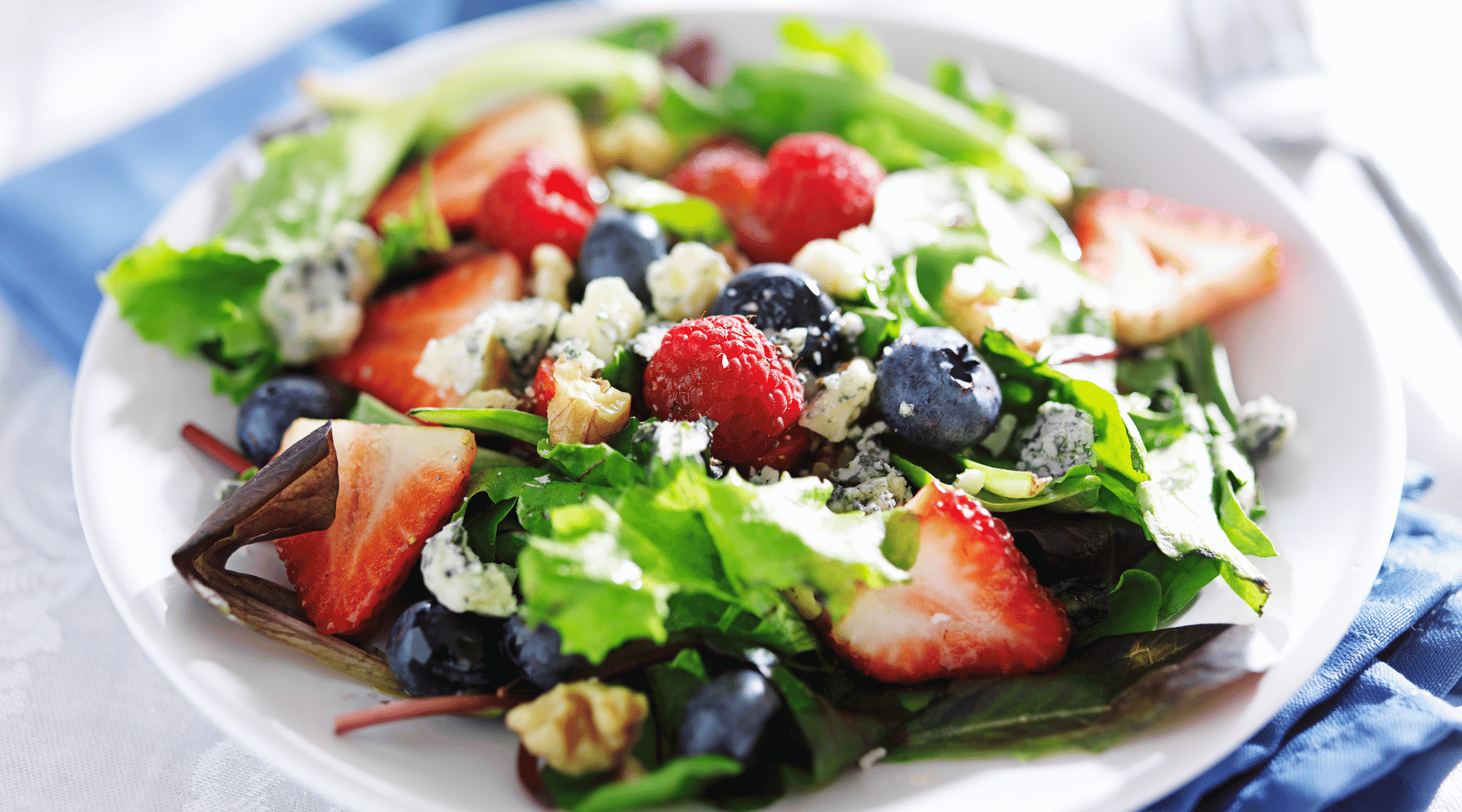
Most of us don't spend much time thinking about parasites—until they make the headlines...
That's exactly what's happened with the recent Cyclospora outbreak, which has sickened hundreds of people across the country and prompted health officials to investigate contaminated fresh produce. It's a sobering reminder that, despite our modern food safety systems, foodborne parasites are still very much a reality.
Fortunately, this isn't just a story about one parasite or one outbreak.
Cyclospora requires prompt medical diagnosis and treatment, and anyone experiencing persistent diarrhea or other symptoms should contact their healthcare provider. But the larger lesson is one we've been sharing for years: parasites haven't disappeared. In today's global food supply, exposure can occur much closer to home than most people realize.
That's why so many people are taking a fresh look at digestive wellness—not because they're treating a specific infection, but because they want to support a healthy intestinal environment before problems arise. From time-honored herbs like black walnut and wormwood to nutrient-rich foods such as pumpkin seeds and garlic, nature offers a variety of traditional tools for promoting digestive health.
Let's take a closer look at what Cyclospora can teach us—and how you can support your gut naturally every day.
What Is Cyclospora?
Cyclospora (Cyclospora cayetanensis) is a microscopic, single-celled parasite that infects the small intestine. People become infected by consuming contaminated food or water, most often fresh produce that's been exposed somewhere along the growing, harvesting, or processing chain.
Cyclospora behaves differently from many other foodborne germs. It isn't usually passed directly from one person to another. Instead, the parasite has to spend time maturing in the environment before it can infect someone else. That's one reason outbreaks are so often linked to contaminated fresh produce rather than casual contact with an infected person.
Common symptoms include:
- Frequent watery diarrhea
- Stomach cramps and bloating
- Nausea
- Fatigue
- Loss of appetite
- Unexplained weight loss
- Occasionally, a low-grade fever
Symptoms typically appear about a week after exposure and, without proper treatment, can last for several weeks or even come and go over a longer period.
The good news is that Cyclospora is treatable. Physicians generally prescribe an antibiotic combination called trimethoprim-sulfamethoxazole (TMP-SMX) for confirmed infections. If you develop persistent diarrhea or believe you've been exposed during a known outbreak, it's important to seek medical care rather than trying to self-treat.
But Cyclospora is only one piece of a much larger picture.
Its appearance in the headlines reminds us that parasites remain part of our modern world—and they aren't limited to overseas travel or unsafe drinking water.
Why Parasites Are More Common Than Most People Think
When many people hear the word parasite, they picture tropical vacations or developing countries.
The reality is quite different.
Today's food travels thousands of miles before it reaches your grocery store. Fresh produce is grown around the world, processed in multiple locations, and handled by countless people before it reaches your kitchen. While our food supply is remarkably safe overall, outbreaks like Cyclospora remind us that contamination can still occur.
Parasites and other unwanted organisms may also be encountered through:
- Fresh fruits and vegetables that aren't thoroughly washed
- Undercooked meat, fish, or shellfish
- Untreated water while hiking or camping
- International travel
- Gardening or handling soil
- Contact with household pets or farm animals
- Daycare, shared bathrooms, and other close-contact environments
This doesn't mean we should fear the food we eat. It simply means that supporting digestive health, and practicing good food safety, remains just as important today as it has always been.
That's where diet, lifestyle, and traditional botanicals can all play a role.
Foods Traditionally Associated with Parasite Cleansing
For centuries, traditional healing systems around the world have relied on specific foods to help create a healthy intestinal environment and support the body's natural defenses.
Pumpkin Seeds
Pumpkin seeds are perhaps the best-known food traditionally associated with parasite cleansing. For generations, herbalists have valued them for naturally occurring compounds called cucurbitacins, which have been studied for their effects on certain intestinal parasites. In traditional medicine, pumpkin seeds were often eaten as part of broader cleansing protocols, and today they remain a favorite among natural health practitioners. As a bonus, they're also rich in zinc, magnesium, healthy fats, and fiber—nutrients that support overall digestive health.
Garlic
Traditional healers have used garlic for centuries to support the body's natural defenses and help maintain a healthy balance of microorganisms in the digestive tract. Modern research continues to explore its naturally occurring sulfur compounds, including allicin, for their antimicrobial properties.
Papaya Seeds
Papaya seeds have a long history of traditional use throughout Central and South America, Africa, and parts of Asia. Although they're often discarded, these tiny seeds have been used for generations as part of traditional parasite-support programs and continue to attract scientific interest for their unique plant compounds.
Pineapple
Fresh pineapple contains bromelain, a naturally occurring digestive enzyme that helps break down proteins. While it's best known for supporting digestion, bromelain has also been included in many traditional parasite-support protocols because healthy digestion is an important part of maintaining intestinal wellness.
Fiber-Rich Foods
Vegetables, berries, legumes, flaxseed, and other fiber-rich foods help keep the digestive system moving efficiently while supporting a balanced gut microbiome.
Think you might have a parasite? Learn how a gentle cleanse works, step by step.
Read the Parasite Cleanse Guide →The Science and Tradition Behind Our 30-Day Parasite Cleanse
One thing you'll notice about traditional herbal formulas is that they're rarely built around a single ingredient. Herbalists have long preferred combining botanicals, carefully selecting each one for the role it plays in the overall formula.
That's why our 30-Day Parasite Cleanse Kit includes three carefully designed formulas. Together, Para-Key, Verma-Plus, and Flora-Key provide botanical support during the cleansing phase while also helping restore a healthy intestinal microbiome afterward.
Para-Key: The First Line of Support
Para-Key® combines eight carefully selected botanicals and enzymes that have long been used in traditional parasite-support protocols.
-
Sweet Wormwood (Artemisia) – One of the world's best-known herbs for traditional parasite support. Herbalists have used wormwood for generations to help support the body's natural elimination of unwanted intestinal organisms.
-
Grapefruit Seed Extract – Included for its broad-spectrum antimicrobial properties and its traditional role in supporting digestive cleansing.
-
Quassia Bark – A classic bitter herb traditionally used to create an intestinal environment that's less hospitable to parasites while supporting liver and gallbladder function.
-
Bromelain – This enzyme from pineapple helps break down proteins and is included to support digestion and help disrupt biofilms that can protect unwanted organisms.
-
Slippery Elm Bark – Helps soothe and support the intestinal lining during the cleansing process.
-
Peppermint Leaf – Traditionally used to calm the digestive tract and help ease bloating and occasional digestive discomfort.
-
Pomegranate Fruit Extract – Rich in protective plant compounds and traditionally valued for supporting intestinal health.
-
Cranberry Fruit Extract – Included to help support a healthy microbial balance within the digestive tract.
Verma-Plus: Traditional Herbs for Deeper Intestinal Support
Verma-Plus® is a fast-absorbing liquid tincture featuring several of the most respected herbs in traditional parasite protocols.
-
Black Walnut Hull – The signature herb in the formula. Used for centuries in Native American and traditional herbal medicine, black walnut contains naturally occurring juglone and tannins and has long been valued for supporting the body's natural elimination of unwanted microorganisms.
-
Wormwood – A cornerstone of traditional parasite-support protocols, wormwood has been paired with black walnut by herbalists for generations because of their complementary roles in supporting a healthy intestinal environment.
-
Male Fern Root – Historically used by herbalists to support the elimination of larger intestinal parasites.
-
Centaury – A traditional bitter herb believed to help loosen the attachment of unwanted organisms to the intestinal wall while stimulating healthy digestion.
-
Cloves – Rich in the natural compound eugenol, cloves have long been included in traditional parasite-support formulas alongside black walnut and wormwood.
-
Orange Peel – Supports healthy digestion and normal intestinal movement, helping the body's natural elimination processes.
-
Butternut Root Bark – Traditionally used by herbalists to support the body's natural elimination of common intestinal organisms.
Flora-Key: Restoring What the Gut Needs
A successful cleanse isn't just about what you remove—it's also about what you restore.
That's why the final phase of the 30-Day Parasite Cleanse includes Flora-Key®, a probiotic formula providing 20 billion CFUs from five carefully selected strains, along with prebiotic inulin to help replenish beneficial bacteria and support long-term microbial balance after the cleanse.
-
L. acidophilus – Supports yeast balance, urinary health, lactose digestion, and nutrient absorption.
-
Bifidus (B. longum, B. bifidum) – Helps protect against indigestion and supports immune health.
-
L. reuteri – Promotes gut health while supporting skin clarity, oral health, and digestion.
-
L. plantarum – Helps reduce bloating, gas, digestive discomfort, and constipation.
-
Inulin (Prebiotic Fiber) – Nourishes good bacteria, enhancing their ability to thrive in the gut.
30-Day Parasite Cleanse Kit
UNI KEY's herbal parasite cleanse, formulated to support the body's natural ability to keep parasites in balance. A proactive option after a possible exposure.
Shop the Complete Parasite Cleanse Kit →The Bottom Line
Here at UNI KEY Health, we believe wellness begins in the gut. That's why our 30-Day Parasite Cleanse Kit combines time-honored botanicals with beneficial probiotics in a thoughtful, three-step program designed to support a healthy intestinal environment. If you're ready to give your digestive system the attention it deserves, there's no better time to start.
Related Reading:
Want to learn more about parasites and digestive wellness? These additional resources offer practical insights and a deeper look at the topic.
-
Guess What Came to Dinner? – Ann Louise's groundbreaking book explores the surprising role parasites may play in digestive health and overall wellness, along with practical strategies for supporting a healthy intestinal environment.
-
Signs of Parasites in Humans: What to Watch For – The most common signs of parasites in humas, why they are so easy to miss, when to suspect one, and what to do if you think you have a parasite.
-
Parasites in Food: How They Get In and How to Protect Yourself – How parasites get into the food supply, which foods carry the most risk, and the practical habits that protect you and your family from foodborne parasites.
- How to Wash Produce to Reduce Parasite Risk (What Actually Works) – How to wash fruits and vegetables to reduce parasite and contamination risk, what rinsing can and cannot do, and the habits that actually lower your risk.
-
When Parasites Party: Moon Cycles and Parasite Cleansing 101 – Discover why traditional healing systems have long associated parasite cleansing with the moon's cycles and learn more about the history behind this fascinating practice.


