


Berberine has earned plenty of attention for metabolic support. Absorption, however, has always been a challenge. Only a small amount of an ordinary oral dose reaches the bloodstream.
Dihydroberberine, or DHB, offers a different approach. This related form is more readily absorbed, allowing smaller amounts to produce higher blood levels of berberine. That is why UNI KEY chose DHB as the foundation of GLP-1 Formula, alongside fenugreek extract, alpha lipoic acid, and AstraGin®.
If you are comparing dihydroberberine vs berberine, the useful questions are straightforward: How much gets absorbed? What amounts have researchers studied? How well is each tolerated? And how strong is the human evidence?
What is dihydroberberine?
Berberine is a plant compound found in barberry and goldenseal. If you have been exploring berberine weight loss supplements, you have probably noticed that many products contain substantial amounts per serving. Poor absorption helps explain why.
DHB is a reduced form of berberine that crosses the intestinal barrier more readily. Gut bacteria can convert some regular berberine into DHB during digestion. Once absorbed, DHB can convert back to berberine.
Researchers became interested in whether supplying DHB directly could improve that process. Early human research supports an absorption advantage, although questions about long-term outcomes remain.
How does DHB absorption compare with berberine?
In the Moon pilot study, five healthy men completed a short crossover protocol comparing placebo, 500 mg of regular berberine, and 100 mg or 200 mg of DHB. Both DHB amounts produced greater blood exposure to berberine during the two-hour measurement period than regular berberine. [1]
Glucose and insulin did not differ significantly between treatments during that short window.
The important distinction is between absorption and results. Higher blood exposure tells researchers how a compound moves through the body. It does not, by itself, establish greater weight loss or better long-term blood sugar outcomes.
A later pilot study examined DHB and micellar berberine, another enhanced formulation, and found differences in their metabolite profiles. That adds to our understanding of how these forms are processed, rather than settling which produces better clinical results. [4]
How do berberine and DHB doses differ?
Studies of regular berberine often use 500 mg at a time, taken two or three times a day. That adds up to 1,000–1,500 mg daily.
DHB has been tested in much smaller amounts: 100 mg or 200 mg at a time. In a small study, those lower DHB doses delivered more berberine into the bloodstream than a 500 mg dose of regular berberine. This shows better absorption, but does not establish that the doses produce the same weight loss or other health benefits. [1,2]
Berberine vs. Dihydroberberine
Those numbers are research comparisons, not interchangeable dosing instructions. A 100 mg DHB capsule should not automatically be treated as equivalent to a particular amount of regular berberine for every purpose.
For UNI KEY’s GLP-1 Formula, follow the product’s directions: Adults take 1–2 capsules twice daily, 15 minutes before meals, or as directed by a healthcare professional.
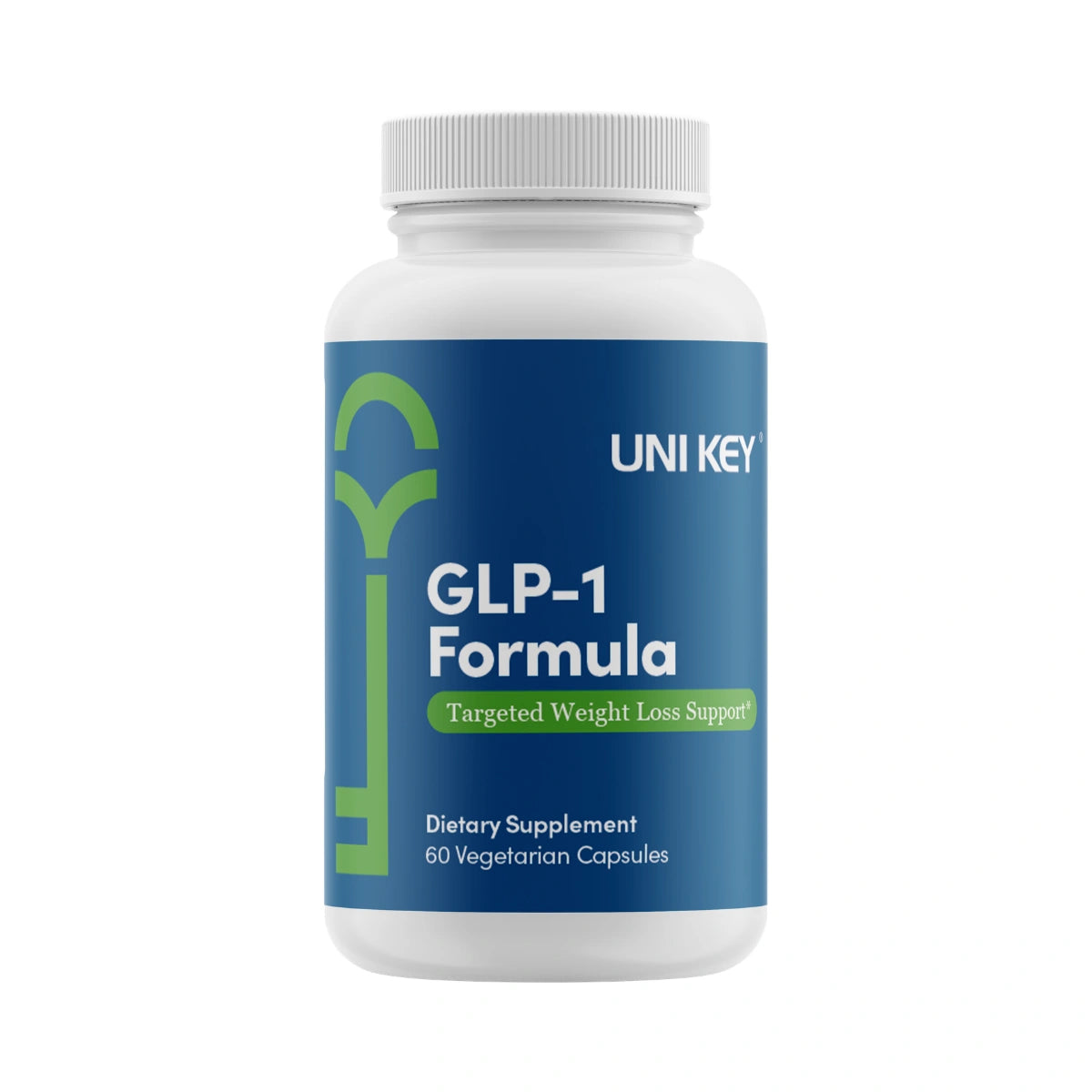
GLP-1 Formula
- ✓ Includes dihydroberberine, a more absorbable form of berberine studied for its effects on blood levels.
- ✓ Formulated with Alpha Lipoic Acid and Fenugreek Extract.
- ✓ Convenient capsule format with directions for use before meals.
Is DHB easier on the stomach?
Digestive discomfort is among the commonly reported drawbacks of regular berberine. Human studies have documented diarrhea, constipation, gas, and abdominal discomfort. In a 2008 pilot study, 34.5% of participants receiving berberine experienced temporary gastrointestinal effects. That percentage describes that study, rather than everyone who takes berberine. [2]
UNI KEY’s GLP-1 Formula uses DHB because it is more readily absorbed than regular berberine, allowing smaller amounts to reach the bloodstream. For people who find high-dose berberine hard on their stomach, that may be an appealing advantage.
DHB is commonly described as gentler on digestion, although human studies directly comparing digestive side effects are still limited. If regular berberine has caused discomfort, ask your practitioner whether GLP-1 Formula could be a better fit.
What is AMPK, and why does it matter?
Your cells need a steady supply of energy. AMPK, short for AMP-activated protein kinase, helps them respond when that supply runs low. This enzyme signals cells to take in more glucose (blood sugar) and use fat for energy.
Laboratory and animal studies have linked both berberine and dihydroberberine (DHB) to AMPK activation. This is one reason researchers are interested in these compounds for metabolic support. [3]
UNI KEY’s GLP-1 Formula uses DHB for its improved absorption, alongside fenugreek extract, alpha lipoic acid, and AstraGin®. The AMPK research helps explain how berberine-related compounds may influence energy use, but it does not establish how much weight someone will lose.
Does DHB have as much human research as berberine?
No. Regular berberine has far more human research than DHB.
Berberine has been investigated in clinical studies involving blood sugar, cholesterol, and other metabolic measures. DHB’s published human evidence is much smaller and has focused mainly on absorption and metabolism.
The Moon study involved five healthy men. The Chang study was also a pilot. Neither establishes long-term weight loss benefits for DHB or proves the effectiveness of a finished combination formula. [1,4]
UNI KEY chose DHB for its improved absorption at smaller doses. Regular berberine, however, has been studied far more extensively in people. Larger, longer human trials are still needed to determine how DHB compares for weight loss and long-term metabolic support.
What do fenugreek, ALA, and AstraGin® contribute?
GLP-1 Formula combines DHB with three supporting ingredients selected for appetite and metabolic support.
Fenugreek extract: Fenugreek seeds contain several compounds of interest in metabolic research. An extract’s composition matters, however. Findings about whole seeds or their fiber content cannot automatically be applied to a concentrated extract.
Alpha lipoic acid: ALA participates in cellular energy metabolism and has antioxidant activity. Its inclusion adds another ingredient relevant to metabolic support.
AstraGin®: This branded blend contains Astragalus membranaceus and Panax notoginseng extracts. It is included for its absorption-support role. Evidence concerning particular nutrients should not be stretched into a claim that it improves the absorption of every ingredient.
For more about the formula’s intended role in appetite support, read GLP-1 Formula and the End of Constant Cravings.
How does GLP-1 Formula fit into a daily routine?
Use GLP-1 Formula consistently according to its label, alongside regular meals, appropriate activity, and sustainable eating habits.
Check with your practitioner before use if you take blood pressure medication, blood sugar medication, or other supplements containing berberine. Berberine-containing products should be avoided during pregnancy and breastfeeding.
GLP-1 Formula is a dietary supplement. It should not replace prescribed treatment. For additional context, see If You’re Thinking About GLP-1 Drugs, Read This First.
DHB’s main advantage is more efficient absorption at smaller studied amounts. Regular berberine’s advantage is its larger human evidence base. Understanding both helps you make a more informed choice.
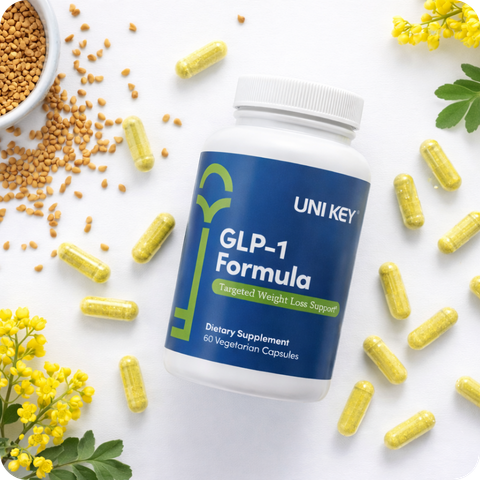
GLP-1 Formula
- ✓ Supports healthy blood sugar and glucose metabolism
- ✓ Helps support healthy metabolic function
- ✓ Features dihydroberberine, ALA, and fenugreek extract
Resources include:
-
Moon JM, et al. Absorption Kinetics of Berberine and Dihydroberberine and Their Impact on Glycemia: A Randomized, Controlled, Crossover Pilot Trial. Nutrients. 2022;14(1):124. Published online December 28, 2021.
https://doi.org/10.3390/nu14010124 -
Yin J, Xing H, Ye J. Efficacy of berberine in patients with type 2 diabetes mellitus. Metabolism. 2008;57(5):712–717.
https://pubmed.ncbi.nlm.nih.gov/18442638/ -
Turner N, et al. Berberine and Its More Biologically Available Derivative, Dihydroberberine, Inhibit Mitochondrial Respiratory Complex I: A Mechanism for the Action of Berberine to Activate AMP-Activated Protein Kinase and Improve Insulin Action. Diabetes. 2008;57(5):1414–1418.
https://pubmed.ncbi.nlm.nih.gov/18285556/ -
Chang C, et al. Differences in Metabolite Profiles of Dihydroberberine and Micellar Berberine in Caco-2 Cells and Humans—A Pilot Study. International Journal of Molecular Sciences. 2024;25(11):5625.
https://doi.org/10.3390/ijms25115625
These statements have not been evaluated by the Food and Drug Administration. These products are not intended to diagnose, treat, cure, or prevent any disease.


