

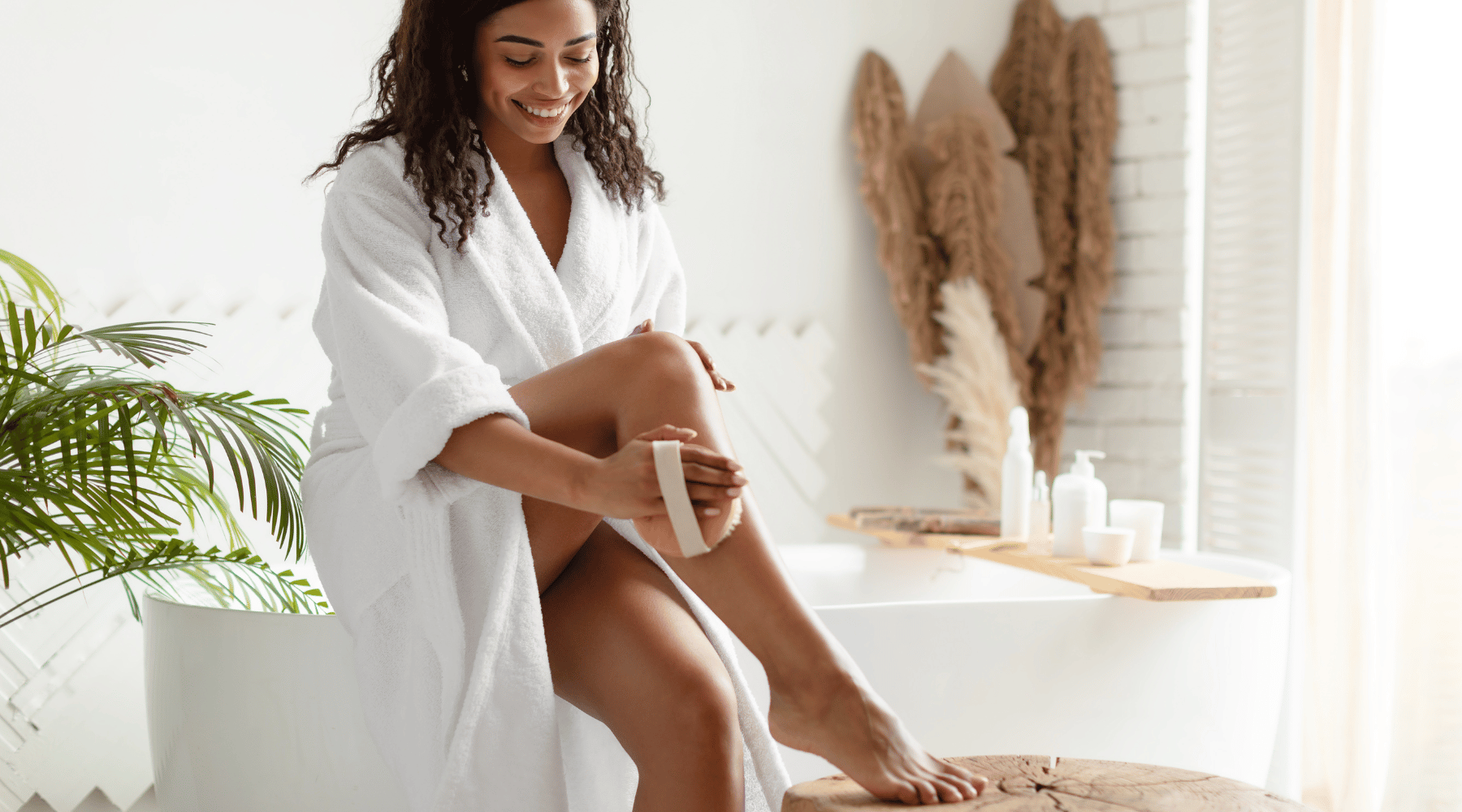
Walk into almost any spa today, and you'll find a dry brush hanging near the massage table. But this isn't some trendy wellness fad. Long before expensive body scrubs and exfoliating gloves, people were using natural-bristle brushes to stimulate the skin and prepare the body for the day ahead.
Today, dry brushing remains popular for one simple reason: it feels good. After just a few minutes, your skin feels smoother, your body feels energized, and you've taken one small step toward better self-care.
What Is Dry Brushing?
Dry brushing is exactly what it sounds like: using a firm, natural-bristle brush to gently massage your skin while it's dry—typically just before you step into the shower.
Unlike a loofah or washcloth used on wet skin, dry brushing is performed without water or soap. The goal isn't to scrub your skin aggressively, but rather to use light, sweeping strokes that help remove dead skin cells while gently stimulating the surface of the skin.
Most wellness practitioners recommend brushing in the direction of your heart, beginning at your feet and working upward. This technique is thought to support healthy circulation and encourage the normal movement of lymphatic fluid—a key part of your body's natural waste-removal system.
While dry brushing has gained popularity in recent years, it's hardly a new trend. Variations of the practice have been used for centuries in cultures around the world as part of daily wellness and self-care routines.
What Are the Benefits of Dry Brushing?
Ann Louse Gittleman, PhD, CNS, calls dry brushing her “favorite at-home lymphatic drainage technique.”
Why?
“Dry brushing works because your lymphatic vessels lie just beneath the surface of the skin. Using a natural-bristle brush with light, gentle strokes may help stimulate lymphatic flow, increase circulation, and encourage your body’s natural detoxification process.”
To be precise, dry brushing helps to:
Exfoliate the Skin
One of the most immediate benefits of dry brushing is exfoliation. As the natural bristles sweep across your skin, they help remove dead skin cells that can leave your skin looking dull or rough.
Regular exfoliation encourages skin cell turnover and often leaves skin feeling noticeably softer and smoother. It may also help your moisturizer absorb more effectively after you shower.
Stimulate Circulation
The brushing motion creates gentle friction against the skin, which temporarily increases blood flow to the surface. Many people notice their skin develops a healthy-looking glow after dry brushing.
While this temporary boost in circulation isn't a substitute for regular exercise, it can be a refreshing way to wake up your body and prepare for the day.
Support Healthy Lymphatic Function
Unlike your circulatory system, which relies on your heart to pump blood, your lymphatic system depends on muscle movement, breathing, and body movement to keep lymph fluid flowing.
Dry brushing works because your lymphatic vessels lie just beneath the surface of the skin. Using a natural-bristle brush with light, gentle strokes may help stimulate lymphatic flow, increase circulation, and encourage your body’s natural detoxification process.
How to Dry Brush the Right Way
Dry brushing is simple, but using the proper technique can help you get the most from your routine while avoiding skin irritation. All you need is a natural-bristle brush and a few minutes before your shower.
-
Start with dry skin. Dry brushing should always be done before bathing or showering. Your skin—and your brush—should be completely dry.
-
Begin at your feet. Using gentle, upward strokes, brush from your feet toward your ankles, then continue up your legs. The pressure should feel invigorating, not uncomfortable.
-
Brush toward your heart. Continue brushing your arms, legs, and torso using long, sweeping strokes directed toward your heart. Many wellness practitioners recommend this direction because it follows the general flow of your circulatory and lymphatic systems.
-
Use a lighter touch on sensitive areas. Your abdomen, chest, and neck require much less pressure than your arms and legs. Let the bristles glide over your skin rather than pressing firmly.
-
Shower afterward. A warm shower helps rinse away the dead skin cells you've loosened during brushing.
- Finish with moisturizer. After gently patting your skin dry, apply your favorite moisturizer or body oil to help lock in hydration. Our favorite? BeauCle Ultra Hydrating Moisture
How Often Should You Dry Brush?
For most people, dry brushing two to four times a week is plenty. If your skin tolerates it well, you may choose to do it daily. The key is to pay attention to your skin. If you notice redness, irritation, or increased sensitivity, brush less often or use a lighter touch.
Common Mistakes to Avoid
Dry brushing is meant to be a gentle wellness practice—not an aggressive scrub. Avoiding these common mistakes can help protect your skin while allowing you to enjoy the benefits.
-
Don't Scrub. Dry brushing should never hurt. If your skin feels sore, looks bright red, or ends up with tiny scratches, you're pressing too hard. A gentle touch is all you need. The goal is to stimulate the skin—not sand it down.
-
Pick the Right Brush. Not all dry brushes feel the same. A brush made with natural bristles is usually more comfortable, especially if you're just getting started. If your skin is sensitive, look for softer bristles instead of the stiffest brush on the shelf.
-
Give Damaged Skin a Break. If you have a cut, sunburn, rash, eczema flare, or other irritated area, simply work around it. Wait until your skin has recovered before brushing that spot again.
-
Take Care of Your Brush. Your brush works hard, and it needs occasional cleaning. Rinse it with warm water and a little mild soap to remove the buildup of dead skin cells. Let it dry completely before putting it back into your routine.
Dry Brushing Is Just One Piece of the Wellness Puzzle
Dry brushing feels good. It wakes up your skin, takes only a few minutes, and for many people, it's a relaxing way to begin or end the day. But it's only one piece of the wellness puzzle.
Your body is already equipped with remarkable systems that work around the clock to keep everything running smoothly. Your skin plays a role, but so do your liver, digestive tract, kidneys, and lymphatic system. They all depend on one another.
Dry brushing works on the outside. Your liver works behind the scenes every minute of every day. Our Liver-Lovin' Formula supplement combines carefully selected herbs and botanicals traditionally used to promote healthy liver function and support the body's natural detoxification processes. Alongside simple daily habits like dry brushing, it's one more way to help care for your body from the inside out.
The Bottom Line
Taking just a few minutes before your shower to gently exfoliate your skin and support healthy circulation can be a simple act of self-care that complements an overall healthy lifestyle. Pair it with regular movement, proper hydration, nourishing foods, and healthy liver support, and you'll be giving your body multiple ways to function at its best.
At UNI KEY Health, we believe wellness is built one healthy habit at a time, and sometimes the smallest daily routines are the ones that make the biggest difference.
Frequently Asked Questions
Should you dry brush before or after a shower?
Dry brushing is best done before your shower while your skin is completely dry. Showering afterward helps rinse away the dead skin cells loosened during brushing, and applying moisturizer after your shower can help keep your skin hydrated.
How often should you dry brush?
Most people do well with dry brushing two to four times per week, although some choose to make it part of their daily routine. If your skin becomes irritated, reduce the frequency or use a gentler touch.
Can dry brushing help reduce cellulite?
Dry brushing may temporarily improve the appearance of your skin by increasing surface circulation and smoothing away dead skin cells. However, there is no strong scientific evidence that it permanently reduces cellulite.
Instead, we recommend GLA-90 to support healthy circulation, skin structure, and connective tissue from within and Collagen 4+ as it is one of the key building blocks that helps keep skin looking firm and resilient. Learn more in this article: “The Four Stages of Cellulite and Simple Solutions”.
What type of brush should I use?
Look for a brush made with natural, firm bristles and a comfortable handle that allows you to reach your back and legs. Avoid overly stiff brushes if you have sensitive skin.
Who should avoid dry brushing?
Avoid dry brushing over cuts, sunburn, rashes, skin infections, open wounds, or areas affected by eczema or psoriasis flare-ups.


