

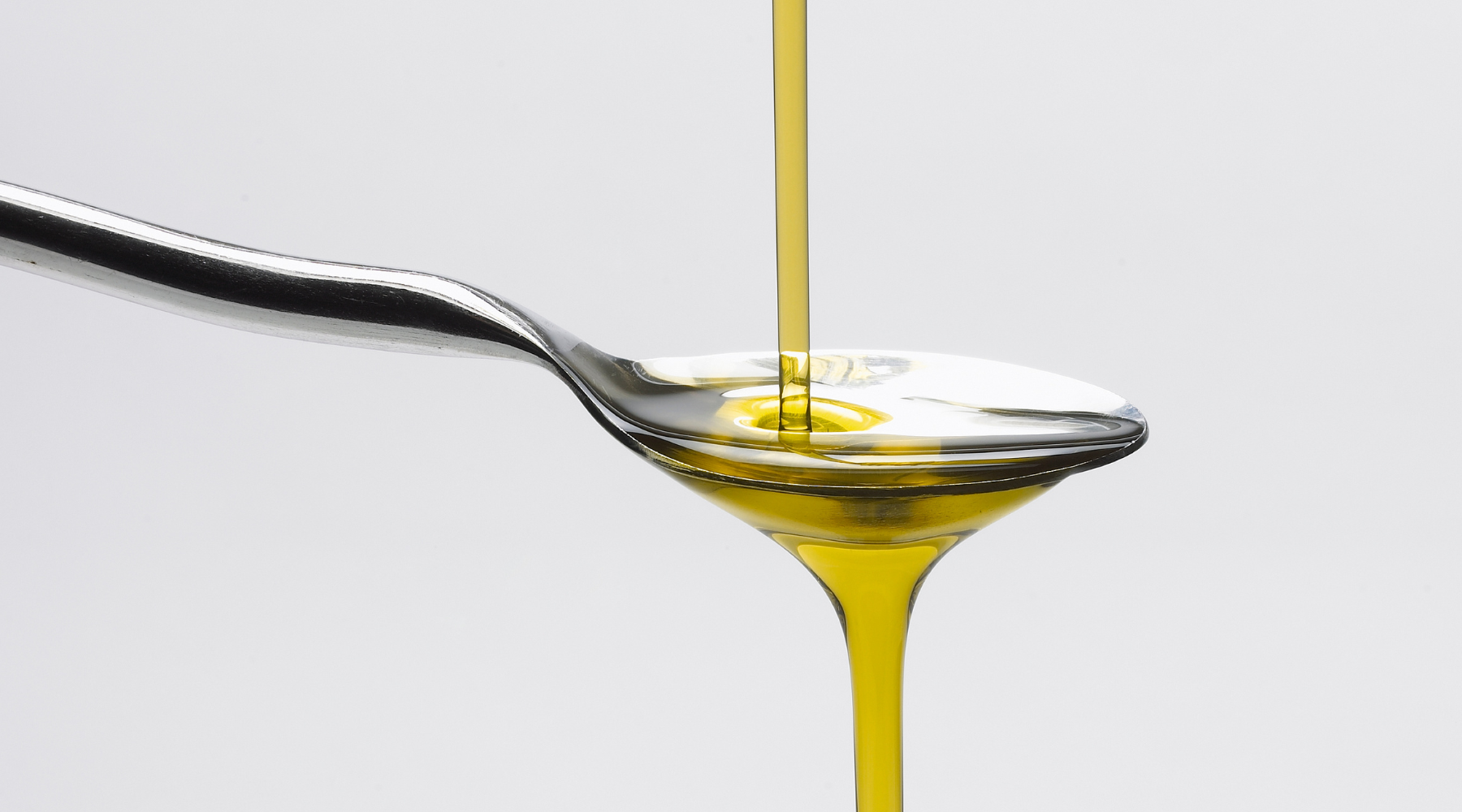
A simple spoonful of organic flax oil can be an easy way to add plant-based omega-3 fatty acids to your daily routine. Made from flaxseeds, flax oil provides alpha-linolenic acid (ALA), an essential omega-3 fat that supports normal cell function and plays a role in several important processes throughout the body.
But flax oil offers more than a fish-free source of omega-3s. Depending on how it is processed, flaxseed oil may also contain lignans, naturally occurring plant compounds studied for their antioxidant activity and potential role in supporting health.
UNI KEY Health Organic Flax Oil is a simple way to incorporate plant-based fats into smoothies, salad dressings, and everyday meals without the fishy aftertaste associated with some fish oil supplements.
Let's explore the potential benefits of flax oil, how to use it, and what to know before adding it to your routine.
What Is Organic Flax Oil?
Organic flax oil, also called flaxseed oil, is made by extracting oil from flaxseeds. It is especially rich in alpha-linolenic acid (ALA), an essential omega-3 fatty acid that your body needs but cannot produce on its own.
ALA contributes to normal cell membrane structure and supports several important functions in the body. It can also be converted into the omega-3 fatty acids EPA and DHA, although this conversion is limited.
Flax oil is a plant-based option for people who want to increase their intake of omega-3 fats without relying on fish oil.
One important distinction: flax oil is not nutritionally identical to whole or ground flaxseed. Whole flaxseed contains fiber and other components that are largely absent from the oil. Lignans are concentrated in the outer layers of the seed, so the amount found in flax oil depends on how it is processed and whether lignans are retained or added back.
What Are the Benefits of Flax Oil?
Flax oil is best known as a source of plant-based omega-3 fatty acids. Research suggests that ALA may contribute to several areas of health, although flax oil should not be considered a treatment for a medical condition.
1. Supports Heart Health
ALA is an essential fatty acid that helps maintain normal cell membranes and supports cardiovascular health as part of a balanced diet.
Replacing some sources of saturated fat with unsaturated fats can be beneficial for heart health. Flax oil can be one way to incorporate more unsaturated fat into meals, particularly for people following a plant-forward eating pattern.
Flax oil is not a substitute for prescribed cholesterol or blood pressure medication, and its effects depend on your overall diet and health habits.
2. Provides Essential Fats for Cellular Health
Every cell in your body has a membrane that helps regulate what enters and leaves the cell. Dietary fats, including essential fatty acids such as ALA, contribute to the structure and function of these membranes.
Because your body cannot make ALA, you need to obtain it through food or supplements. Flax oil offers a concentrated source of this plant-based omega-3.
3. Supports Healthy Skin
Your skin relies on adequate nutrition, including essential fatty acids, to maintain its normal structure and barrier function.
Flax oil can help supply ALA as part of a balanced diet. Some research has explored flaxseed oil and skin hydration, sensitivity, and barrier function, but results are limited. Flax oil should not be viewed as a guaranteed solution for dry skin, wrinkles, or other skin concerns.
For skin health, combine a nutritious diet with adequate hydration, sun protection, and a consistent skincare routine.
4. Plays a Role in Hormone-Related Processes
Dietary fats are important for normal cell function and are involved in numerous biological processes, including those related to hormone signaling.
Flaxseed also contains lignans, plant compounds that have been studied for their potential effects on estrogen-related pathways. However, the amount of lignans in flax oil varies, and not every flax oil product contains a meaningful amount.
Important: Flax oil is not a hormone treatment and has not been proven to balance hormones or correct a hormonal imbalance. If you have persistent symptoms or a diagnosed hormone-related condition, speak with a qualified healthcare professional.
5. May Fit Into a Blood Sugar-Conscious Eating Pattern
Researchers have investigated flaxseed and its components for possible effects on blood sugar regulation. However, findings for whole flaxseed, ground flaxseed, flaxseed oil, and lignan extracts are not interchangeable.
Flax oil can be part of a balanced eating pattern, but it should not be relied upon to lower blood sugar or manage diabetes. People monitoring blood glucose should continue following their healthcare professional's guidance.
6. Offers an Alternative to Fish Oil
Not everyone enjoys the taste or aftertaste of fish oil. Flax oil offers a plant-based way to get ALA without a fishy flavor.
It is worth remembering that ALA is not the same as EPA and DHA, the long-chain omega-3s found in fatty fish and certain algae oils. Your body converts only a limited amount of ALA into these other omega-3s, so flax oil is not a direct nutritional equivalent to fish oil or algae-based EPA/DHA supplements.
What About Flax Oil and Fat Burning?
You may have heard claims that flax oil helps burn fat or speeds up metabolism. While omega-3 fatty acids play important roles in the body, there is not strong evidence that flax oil alone causes meaningful weight loss or increases fat burning. However, healthy fats can be part of a balanced eating plan designed to support your weight management goals.
In Ann Louise Gittleman’s Fat Flush Plan, the focus is on a nutrient-rich approach to weight management that emphasizes whole foods, lean protein, healthy fats, fiber-rich vegetables, and supportive daily habits. Organic Flax Oil can be a simple way to incorporate plant-based omega-3 fatty acids into this type of eating pattern, whether blended into a smoothie or drizzled over a fresh salad.
Keep in mind that flax oil is calorie-dense, like other oils, so portion size matters. Rather than relying on any single food to burn fat, focus on building consistent habits that nourish your body and support your long-term goals.
How to Use Organic Flax Oil
One of the best things about flax oil is how easily it can fit into your everyday routine. Its mild, slightly nutty flavor works well in a variety of foods.
- Smoothies: Blend a serving into your favorite fruit or protein smoothie for a plant-based omega-3 boost.
- Salad dressings: Whisk flax oil with lemon juice or vinegar, herbs, and seasonings for a quick homemade dressing.
- Cottage cheese: Stir flax oil into cottage cheese for a creamy, savory snack or simple meal.
- Straight from the spoon: If you enjoy its flavor, you can take it on its own according to the product label.
Can You Cook With Flax Oil?
Flax oil is sensitive to heat and oxidation. It is generally best used in cold foods rather than for frying, sautéing, or high-temperature cooking. Add it to foods after cooking, or use it in dressings and smoothies.
Store flax oil according to the label, typically refrigerated after opening, and protect it from heat and light. Discard it if it develops an unpleasant, rancid smell or taste.
What About the Budwig Cottage Cheese and Flax Oil Recipe?
The Budwig-style mixture combines cottage cheese with flax oil. It is sometimes discussed in connection with wellness and cancer-related diets.
A common version uses approximately 6 tablespoons of cottage cheese mixed with 2 tablespoons of flax oil.
There is no reliable evidence that this mixture prevents or treats cancer. If cancer runs in your family or you have been diagnosed with cancer, discuss your personal risk, screening options, and nutrition questions with your healthcare team.
For more background, listen to this podcast interview with UNI KEY Health founder James Templeton: How James Keeps Beating Cancer
Discover UNI KEY Health Organic Flax Oil
Looking for an easy way to add plant-based omega-3 fatty acids to your daily routine? UNI KEY Health Organic Flax Oil is a versatile choice for smoothies, salad dressings, and other cold foods.

Organic Flax Oil
- ✓ Rich source of plant-based omega-3 ALA
- ✓ Made from organic flaxseed
- ✓ Easy to add to smoothies, salads, and cold foods
What Customers Are Saying
Here is what customers have shared about their experiences with UNI KEY Health flax oil:
“This is my favorite flax seed oil. I love mixing two tablespoons with cottage cheese! Thank you for making such a great product UNI KEY!”
— Kerri D.
“I love this oil. It tastes great, goes well in smoothies and salads. It’s a nice alternative when you want something slightly nutty.”
— Jessica P.
Frequently Asked Questions About Flaxseed Oil
What are the main benefits of flaxseed oil?
Organic flax oil is a source of ALA, an essential plant-based omega-3 fatty acid. ALA supports normal cell function and can contribute to heart health as part of a balanced diet. Flax oil can also be an option for people who prefer plant-based omega-3 sources.
Is flax oil good for hormone balance?
Flaxseed contains lignans that have been studied for their interactions with estrogen-related pathways. However, flax oil products vary in lignan content, and there is not enough evidence to say that flax oil reliably balances hormones or treats hormone-related symptoms.
Does flax oil contain lignans?
Not all flax oils contain the same amount of lignans. Lignans are primarily concentrated in the outer layers of the flaxseed, and processing can affect how much remains in the oil. Check the product label if lignan content is important to you.
Is flax oil better than fish oil?
Neither is universally better. Flax oil provides ALA, a plant-based omega-3, while fish oil provides EPA and DHA. The body converts ALA into EPA and DHA only in limited amounts. The best option depends on your dietary preferences, nutritional needs, and healthcare guidance.
Can flax oil help improve skin?
Flax oil supplies essential fatty acids that contribute to normal cell function, including the cells that make up the skin barrier. Some research has examined flaxseed oil and skin hydration, but evidence is still limited. It should not be expected to eliminate wrinkles or treat skin conditions.
Can flax oil help with weight loss or fat burning?
There is not strong evidence that flax oil alone promotes significant fat loss or speeds up metabolism. Because oil is calorie-dense, portion size matters. It can still be part of a balanced diet that supports your broader health and weight-management goals.
Can I take flax oil every day?
Many people incorporate flax oil into their daily diet. Follow the serving instructions on your product label and consider your total dietary fat intake. If you take medication, have a medical condition, are pregnant or breastfeeding, or are considering higher supplemental amounts, consult a healthcare professional.
Should flax oil be refrigerated?
Flax oil is prone to oxidation, so refrigeration is generally recommended, especially after opening. Follow the storage directions on the label, keep the bottle tightly closed, and avoid exposing it to heat or direct sunlight.
Can I cook with flax oil?
Flax oil is generally best used in cold foods because heat can damage its delicate fatty acids. Add it to smoothies, salad dressings, or cooked foods after they have cooled instead of using it for frying or high-heat cooking.
Is flax oil the same as ground flaxseed?
No. Flax oil provides concentrated fat, including ALA, but does not provide the same fiber content as whole or ground flaxseed. Ground flaxseed also contains lignans and other seed components. Choose the form that best fits your dietary needs.
Make Organic Flax Oil Part of Your Routine
A simple change in the kitchen can help you make room for more essential fatty acids in your diet. From smoothies to homemade salad dressings, UNI KEY Health Organic Flax Oil is an easy way to add plant-based ALA to everyday meals.
These statements have not been evaluated by the Food and Drug Administration. These products are not intended to diagnose, treat, cure or prevent any disease.


