

Health News

Fatigue Fix: Optimize Your Iron Levels
Feeling tired all the time can come from too little or too much iron. Believe it or not, drinking red wine while enjoying a steak can lead to too much iron in your body, which is far more common than iron deficiency anemia is today. Iron metabolism can be affected by nutrient deficiencies, disturbed digestion, and hidden infections. Optimizing your iron levels can fix your fatigue. Iron Deficiency Anemia When you go to your health care provider for fatigue, they start by looking for iron deficiency anemia. This is most common in women who have blood loss through monthly menstruation and in people with chronic disease. But it’s not always a lack of iron in the diet that causes this; antacids and low stomach acid impair absorption even when there’s plenty of iron in the diet. It’s also caused by a deficiency of necessary cofactors including bioavailable copper, magnesium, Vitamin C and/or boron. Pathogenic viruses, bacteria, parasites and fungi require iron for growth and can also deplete our iron stores and leave us feeling fatigued for multiple reasons. Too Much Iron is Not a Good Thing Iron is one of the most important minerals in the body for energy, but also one of the most toxic. Hemochromatosis is a genetic disease that causes high iron in the blood, but only a small percentage of people with iron overload have this genetic issue. Iron overload is most common in adult men and postmenopausal women. Anytime iron accumulates in our tissues it causes damage, much like heavy metals do. And exposing that iron to oxidation causes us to “rust” on the inside, leading to a variety of health issues. Excess iron has been implicated in cardiovascular disease, Alzheimers, diabetes, arthritis, cancer, cataracts, osteoporosis and more. It’s difficult to distinguish too much from too little since the symptoms of fatigue, heart palpitations, hair loss and frequent infections are the same for both extremes. And the blood tests can be misleading because low iron in the blood does not mean iron is low in the tissues. Actually, lack of functional (bioavailable) iron causes the body to store iron in the tissues, so on blood tests you look anemic but in reality you are storing iron in the brain and other deep tissues, which causes disease. Iron in the blood is not functional when we have deficiencies of magnesium, copper, and/or boron. These deficiencies keep iron from going where it is needed and instead cause it to be stored. Blood Tests for Iron Levels The most common tests done for iron levels include Hemoglobin and Hematocrit, done either alone or as part of a Complete Blood Count (CBC). Another common test is Ferritin, which is an indicator of iron stores in the body. There are other less common iron studies, which include serum iron, Total Iron Binding Capacity (TIBC) and Lactoferrin. To keep it simple, let’s just look at heme, the protein being measured in hemoglobin. Heme holds 2 molecules of oxygen-bound iron. This is how oxygen is delivered to your tissues. When your hemoglobin is low, this shows the oxygen carrying capacity of your blood is low. If you don’t have functional iron available, heme isn’t made properly and you don’t get oxygen to your tissues. This is a major reason for fatigue. Thorough iron studies should include the CBC, ferritin, serum iron, TIBC and levels of magnesium, zinc, ceruloplasmin and copper. Read and interpreted by a knowledgeable health care provider, these should give you a good picture of your iron levels and where the issues are. How to Optimize Your Iron Levels Regulate iron through diet. We only absorb 5% of iron from vegan sources, and most of this is due to the Vitamin C in the plant foods. We absorb up to 50% of the iron in red meats. Absorption of iron in foods is increased by drinking alcohol. If you have iron overload, decrease your consumption of alcohol and red meats while increasing fruits and veggies. Also, avoid cooking in cast iron or stainless steel as these increase the iron content of foods cooked in them, especially acidic foods. If you are iron deficient, increase Vitamin C rich plant foods while increasing red meats. Vitamin C helps increase iron absorption but does not contribute to iron overload. Normalize stomach acid levels. Whether iron levels are high or low, this is important. Your body needs enough stomach acid to absorb iron, calcium, protein, Vitamin B12, zinc as well as other nutrients. Antacids inhibit iron absorption. Low stomach acid, which is the most common cause of acid reflux or GERD, keeps you from absorbing crucial nutrients and leads to anemia and osteoporosis. Supplementing with betaine HCl is a good way to normalize stomach acid levels and increase iron absorption. Remember, low iron causes us to store iron in deep tissues where it leads to other diseases. Support your liver. The liver is where the iron transporters like ferritin and lactoferrin do their work. Actually, with everything the liver does for iron metabolism it is the key regulator of your iron stores and your blood iron levels. Keeping this organ healthy is vital to optimizing iron levels. In addition to a diet high in sulfur-rich foods, consider wheatgrass juice and a good liver supplement. Consider a Cleanse. Pathogens like parasites, bacteria, viruses, and fungi greatly affect our iron levels because they need iron for growth. Intestinal parasites, Candida, Lyme and co-infections, chronic latent viral infections, even toxic mold exposure – all of these can dramatically increase and decrease iron levels, leading to overload or deficiency. A colon cleanse along with cutting out sugar and processed foods is a good first step to controlling or eliminating these bad bugs and getting iron levels back to normal. Supplement with Magnesium, Boron and Vitamin C. It’s estimated 80% of Americans are magnesium deficient, and most of that is due to stress and sugar consumption which deplete magnesium at alarming rates. Both magnesium and Vitamin C can be supplemented to bowel tolerance, which is the highest dose that doesn’t cause diarrhea. Boron is best supplemented at 3mg daily. Copper is much more bioavailable through food and is not recommended in supplement form. Ann Louise Gittleman’s book Why Am I Always So Tired? is a great resource for understanding copper metabolism and the related fatigue. If you have iron overload, donate blood. Though bloodletting is considered barbaric by our modern medical standards, it’s a practice that can still be put to good use when it comes to iron overload. If you have mild iron excess with ferritin levels 200 or less, you can donate blood 3-4 times per year to bring levels back to normal. If you have ferritin levels higher than 200, more frequent prescribed donation through a hospital-based center may be needed. Consider IP-6 to reduce iron stores. Inositol hexaphosphate (IP-6), also known as phytic acid, is a powerful mineral chelator that effectively removes iron from the tissues. In foods, it is found in high levels in grains, legumes (beans) and some seeds. But since these foods are problematic for many people because of their lectins, a supplement form based on rice bran extract is available. It is not recommended for long-term use unless iron overload is severe, because it also removes zinc from the body and causes deficiency. References https://www.ncbi.nlm.nih.gov/pmc/articles/PMC4050113/pdf/wjbc-5-204.pdf https://www.ncbi.nlm.nih.gov/pmc/articles/PMC137500/pdf/pq2302014807.pdf http://www.chiro.org/nutrition/FULL/Iron_Too_Much_of_a_Good_Thing.shtml https://pdfs.semanticscholar.org/4a97/99be01dbae10ae3f003c8f3bc0d52a02b298.pdf
Learn more
Surviving Toxic Mold
By James Templeton My motto is “enjoy life, but always keep one foot on the path to health.” As a 30-year survivor of stage IV melanoma, this way of living has served me well. But not long ago I faced another health battle that made me feel like I was fighting for my life again. A Health Scare When we first moved to Idaho from Montana, we rented a house while ours was being built. This house was only about 7 years old – airtight, like new construction often is. After a few months there, I started having trouble breathing when I was running. It got so bad I couldn’t walk up the stairs without wheezing. Then one day, when I went out to our home site to do a little clean up, I felt like I couldn’t catch my breath and I had no energy. I thought I was having a heart attack, so I went to the ER. But my heart looked strong, so they sent me home. I decided to go to a doctor I knew in Seattle for a thorough workup – chest x-ray, EKG, the whole 9 yards. Everything came back normal. I couldn’t figure out what was going on and I honestly felt like I was dying. Finding Hidden Mold A friend suggested it could be mold exposure. Idaho in the winter has some of the highest mold counts in the country, but I knew it had to be more than outdoor mold affecting me. We had the house tested and the results came back positive for black mold. They found it in the bathroom next to the shower and under the baseboards from an old leak. And new home construction is so airtight, the walls can sweat on the inside and be covered in mold, but you can’t see it. We moved out of that house a couple of weeks later, and I started feeling better almost immediately. As with everything else, I researched and read everything I could about mold sickness. It turns out it’s far more common than I realized, and many people have symptoms as severe as mine were. Most common are shortness of breath with fatigue like I had, but since mucus from your airways gets into your stomach, gastrointestinal complaints are also common. Less common are the neurologic symptoms like headache, weakness, vertigo and memory issues. If you’re experiencing symptoms like this, even if it’s not visible it’s a good idea to test for mold. The cheap kits you can buy at the hardware store don’t differentiate between outdoor and indoor molds in your home, so don’t waste your money. If you want to do the test yourself, you can order a kit to do an ERMI test from Mycometrics. If you think you’ll need to get your insurance company involved, then hiring a building biologist is your best bet. Road to Recovery The first thing you have to do if you’ve been exposed to toxic mold is to get out of that environment. Anything porous, like paper or clothing, carries mold spores in it, so mold experts say it’s best to leave these things behind. As far as supplements, I had a lot of success with oil of oregano and high dose Vitamin C, but a lot of protocols out there also strongly recommend a binder like charcoal or clay along with good liver support. It’s important if you do take a binder to avoid constipation, it slows down your detox. Magnesium is a safe choice to help get things moving again. People who already have other fungal issues like candida are more susceptible to mold illness, because the environment inside the body is already set up for fungus to thrive. It’s important to address the candida with diet and supplements at the same time as you treat the mold. Keep diet clean and full of sulfur-rich foods to encourage glutathione production, and cut out the sugars, processed foods and foods known to have mold toxins in them like peanuts, grains, and cheese. I stayed on the oil of oregano for a year, and it took a couple of years for me to really feel good again. Recovery doesn’t happen overnight; persistence pays off when it comes to mold sickness and toxic mold exposure.
Learn more
The Current Coconut Oil Controversy
The American Heart Association is in the news, causing controversy over coconut oil in their recently released study on dietary fats and heart disease. The media backlash has been so big it’s been dubbed “Coconut Gate.” For more than 10 years, coconut oil has been heralded as a superfood and is a staple in the diets of many health conscious people. Now the AHA is recommending it be avoided because of its saturated fat content and effects on cholesterol. So what is the truth – superfood or super villain? A study from the New England Journal of Medicine shows 50% of media headlines about medical studies are completely wrong. So the hype you’re hearing about coconut oil is nothing more than old news with a new spin that’s not based on facts. It doesn’t change the truth: there has never been a study done that shows coconut oil causes heart disease. The Study Breakdown We reached out to the First Lady of Nutrition, Ann Louise Gittleman, and she summarized it best: “All things considered, the AHA was using antiquated data to bolster a biased view.” This AHA study is a meta-analysis, which means they analyzed data from several studies done in the past to see if compiling them together would generate new conclusions. Studies included reached as far back as the 1950s, and even included studies on monkeys. With thousands of studies done on cholesterol and dietary fats, it appears they scraped the bottom of the barrel to put together a collection of studies to support their outdated view that all saturated fats cause heart disease by raising unhealthy LDL cholesterol levels. Studies on nutrition are observational, which means participants record what they eat and then are followed for the effects of their diet on health. There are a couple of serious problems with this approach. First, depending on how guilty they feel over what they ate, study participants may report more or less than they actually ate of a food that’s being studied. For instance, back when butter was the nutrition villain of the day, a study participant might say they used margarine on their baked potato when in reality it was butter, in order to appear more health conscious. Second, even though the media will try to convince you otherwise, these studies don’t show cause and effect. For example, you can do a study that shows texting and driving causes more deaths today than it did in the 1920s, but it doesn’t reflect the true cause being advances in technology. Several meta-analyses have been done showing the lack of cause-and-effect relationship between dietary cholesterol and heart disease. This is the reason the very conservative 2015 USDA Dietary Guidelines for Americans removed the upper limits on dietary fats and eliminated restrictions on dietary cholesterol. They simply stated “Cholesterol is not a nutrient of concern for overconsumption” which leaves you free to enjoy the eggs and shellfish that you were told to avoid for decades, and even the recently maligned coconut oil. The Truth About Coconut Oil Coconut oil is high in Medium Chain Triglycerides (MCTs). These fats are burned for energy, the body can store very little as fat. This type of fat actually helps your body burn fat. The MCTs in coconut oil help balance our hormones, improve cognition and memory, boost our immunity and fight infections, soothe inflammation in joints and intestines, and decrease appetite while normalizing insulin levels. Interestingly, countries with the highest rates of coconut oil consumption have some of the lowest rates of heart disease. Coconut oil is shown to increase healthy cholesterol levels and improve cholesterol ratios, even in the studies included in the AHA meta-analysis. The AHA did not include this effect from any of the oils in its study, claiming irrelevance. Not all coconut oil is equal. Coconut oil is a superfood only when it is unrefined, or “virgin.” This means it’s extracted from fresh, ripe coconuts without using high heat or chemicals. Refined coconut oil is made from dried coconut meat that’s chemically bleached and deodorized. Partially hydrogenated coconut oil contains trans fats and is no better than a fast food cheeseburger. References http://www.nejm.org/doi/full/10.1056/NEJM200006013422206#t=article http://circ.ahajournals.org/content/early/2017/06/15/CIR.0000000000000510/tab-article-info https://health.gov/dietaryguidelines/2015/ http://www.nutrition-coalition.org/saturated-fats-do-they-cause-heart-disease/ https://www.ncbi.nlm.nih.gov/pmc/articles/PMC3650498/
Learn more
Parasites, A Hidden Epidemic
By James Templeton When I first started taking on clients, a beautiful young gal came to see me. She was in her late twenties, and just had a colostomy. The doctors told her sometimes the colon just goes bad, and since hers slowed down and stopped working properly, they took it out. I asked her more about her history and her issues, and it turns out she used to go camping up in the mountains a lot, then got really sick. Most of what I knew at this point in my career was about parasites, and I was convinced they were the source of her problem. When I told her this, she couldn’t bear to hear it, and refused to let me test her. I didn’t give up though, and when I offered to test for free, she finally agreed. I sent her sample to a well-known parasitologist who dealt with tropical diseases from the military during Operation Desert Storm. Her test came back positive for several types of parasites, including worms (ascaris lumbricoides), giardia (a common water parasite), an amoeba, and more. She was so upset, she got up and walked out and wouldn’t even talk to me. A Seriously Overlooked Issue Signs of parasites in people are a seriously overlooked issue in this country. I was shocked when I met Ann Louise Gittleman and heard her speak on how common parasite problems are. My grandparents wouldn’t have been surprised at all. Their generation “wormed” the family every spring and fall just like we do with our pets. But we’ve lost that. We think we’re too clean for parasites, and we don’t connect that parasites live on our raw fruits and veggies, in meats and fish (especially sushi), in our water, and can pass to us from our pets. I used to have big dogs and I loved them. They were happiest being outside, digging into stuff. I’d take them to the vet a couple times a year and they always had worms, so I’d give them the medicine to take care of it. I had cattle, and once they’d get skinny and not eat well, I’d pen them in the chute and deworm them and they’d come back around. We don’t think it’s strange when our animals have these parasites, but when it comes to us, it makes our skin crawl all over just thinking about it! Think about your cats. They spend their lives licking themselves all over, then they lick you. Same with your dogs. And they may even sleep in your bed. Is it so strange to think they could pass along parasites that can affect your health? Spotting Red Flags for Parasites Not many doctors study parasites; most are taught parasites like giardia simply run their course and people usually don’t need treatment. So we go to the doctors for more tests when the symptoms change and worsen, and get sent to the psychiatrist because they think we’re crazy. But unchecked infections affect metabolism down the road and can create a lot of serious health problems. Parasites are immunosuppressive once they get attached so the body doesn’t fight them off. Overweight, underweight, low energy, digestive issues, yeast and Candida, heavy metal toxicity – all are red flags to check for parasites. It was really an eye-opener for me when Dr. Hermann Bueno put my tissue sample under the microscope and showed me the parasites in my body (read the story here). I’ve done similar testing for countless clients suffering with fatigue, bloating, gas, aches and pains, hair and teeth falling out, migraines, rashes, face breakouts and more. After a few months on a parasite cleanse they feel so much better. We had one client lose over 100 pounds after several months on a parasite cleanse. She felt so good on it, she kept going after the 3 month recommended time and had great results with her health and weight. Parasite Testing & Cleansing There are different types of testing for parasites, the most basic being the cup your doctor sends to the lab when you come in with a suspected exposure. But parasites are tissue invasive and not always accessible via testing. A client came to me after he had contracted cryptosporidium by drinking glacial mountain water on a hiking trip. He was treated by his doctor with medication, but it still progressed to colitis and then colostomy. He came to me after all of that and I saw the parasites in his blood sample. I’ve learned you have to start cleaning, from the ground up, if you want to get well. Just like poor soil grows fungus, parasites grow when gut health is poor. Stomach acid, digestive enzymes and bile are the body’s natural parasite killers. Strengthen your gut health – supplement with hydrochloric acid with meals, cleanse and build up the bile, take proteolytic enzymes between meals to break down toxins and parasites, cut out the sugar. Consider a parasite cleanse if you have never done one or think you may have issues. UNI KEY Health was founded on what I learned about parasites. The parasite formulas and testing we offer are time-tested and have improved my health and the health of my clients and customers for many years. Note: If you think parasites may be affecting your health, you may want to consider parasite cleansing with our Para-Key & Verma-Plus combo — this duo contains our proprietary herbal formulas used successfully by our clients for over 20 years to aid in parasite elimination. Through July 6th, save 25% off with our Cleansing Sale!
Learn more
Floored by Fluoride: A Hidden Cause of Hypothyroid
Fluoride is everywhere – it’s in your toothpaste, your tea, your medicines and your tap water. It’s good for your teeth, but even low levels found in fluoridated drinking water can affect your thyroid health, leaving you tired, depressed and gaining weight despite your healthy lifestyle. Read on to find out the issues fluoride can cause to your thyroid. Fluoride and Thyroid Health Hypothyroidism runs rampant in the US, with more than 15 million people diagnosed, the majority being women over age 40. The thyroid is the master regulator of metabolism, which includes how fast you burn calories and how fast your heart beats. When this butterfly shaped gland slows down, you can feel like your body has gone into hibernation – everything slows down, you hold on to excess weight and you just want to sleep. Fluoride is an endocrine disruptor that suppresses the thyroid, and this effect is more severe when iodine is deficient. Iodine is an essential building block of thyroid hormones, including T3 (triiodothyronine) and T4 (thyroxine), which you may have seen on your blood tests. Fluoride slows thyroid function and mimics these thyroid hormones, and can even damage thyroid tissue. This usually shows up on blood tests as low levels of these hormones and clinical hypothyroidism, but in the case where fluoride mimics thyroid hormones, the levels appear normal even though you have all the symptoms. Fluoride in the Water A large British study released in 2015 found where tap water was fluoridated at levels of 0.3 milligrams per liter, underactive thyroid rates rose by 30 percent. And rural areas where tap water was not fluoridated, rates of hypothyroidism were almost half of urban areas where fluoride was added to the water. Even if you don’t live in a community that fluoridates water, you are still exposed to it. It’s in almost all processed foods and drinks, from beer and soft drinks to chicken nuggets and baby foods. In 2015, the US Department of Health and Human Services decreased the prior maximum of fluoride in the water from 1.2 milligrams per liter to 0.7 milligrams per liter. This change was not based on thyroid health but on the prevalence of fluorosis, a condition where too much fluoride causes cosmetic issues with teeth, weakening of the bones, and symptoms of irritable bowel syndrome. Fluoridated water at 1 milligram per liter is estimated to cause fluorosis in one out of every 6 people age 4-21 years. Statistically, only 0.01 – 0.05 milligrams of fluoride per kilogram of body weight per day are associated with goiter and hypothyroid. Doing the math, this means when the average-sized adult takes in more than 3.5 milligrams of fluoride per day, it can slow the thyroid function and lead to hypothyroidism. This number drops to only 0.7 milligrams per day when you are iodine deficient. This means drinking only 1 liter of fluoridated water per day can lead to hypothyroidism. In children these numbers are even smaller. Fluoride in Kombucha and Green Tea Fermented food and drinks are the latest health heros, providing prebiotics and probiotics that boost the immune system and promote digestive health. Kombucha is one of the most popular – its caffeine, fizz and sweetness make it a common substitute for soda drinkers to kick the habit. If you’ve ever made kombucha, you know the main ingredient is tea. Black, green and white tea all absorb fluoride from the soil, and the older the leaves, the more concentrated the fluoride is. It’s even more concentrated in kombucha because the tea is fermented. It only takes 3 cups (24 ounces) of your favorite green tea to reach the levels of fluoride associated with hypothyroid. It takes even less of black tea (including iced tea) and much less of kombucha. Fluoride in Medicines It’s now estimated 20% of all pharmaceuticals contain fluoride. The most commonly used include the fluoroquinolone antibiotics like Cipro and antidepressants like Prozac (fluoxetine). Although most of these drugs have chemical bonds in them strong enough to hold on to the fluoride and escort it out of the body, some, like Cipro, do release large amounts of fluoride into the body and can cause toxicity. 4 Ways to Flush the Fluoride Eat organic and avoid processed foods. Common pesticides contain fluoride because it is so toxic to nerves and skeletal structures of insects and pests. Avoid these pesticides by eating organic foods. Grapes and grape juice, walnuts, cocoa powder, dried beans and dried fruits are the highest food sources of fluoride. Also, cooking in Teflon pans increases the fluoride content of foods dramatically. Choose fluoride-free dental products. Over 95% of toothpastes now contain fluoride, as well as many mouthwashes and the products used at the dentist’s office. Avoid the fluoride and look for natural products with natural antimicrobials like coconut oil and xylitol. Drink clean water. Water quality is an issue all over the country, and fluoride is only one chemical that’s concerning. Use a good quality water filter like this under counter AIO ultra water filter and drink plenty of clean water to hydrate. UNI KEY has several types of water filters that will filter out the fluoride and other contaminants. Consider iodine and boron supplementation. Dr. David Brownstein estimates over 80% of Americans are deficient in iodine, in large part due to excess fluoride. We accumulate milligrams of fluoride per day but get only micrograms of iodine, even through iodized salt. Iodine, selenium and magnesium all work together and can protect the thyroid from excess fluoride and optimize thyroid function. Just 3mg of boron daily displaces fluoride from deep tissues including bones and thyroid. A good multivitamin or bone health supplement should contain the boron you need to flush the fluoride. References Peckham S , Lowery D , Spencer S . Are fluoride levels in drinking water associated with hypothyroidism prevalence in England? A large observational study of GP practice data and fluoride levels in drinking water. J Epidemiol Community Health 2015; 69: 619–624. http://www.hhs.gov/about/news/2015/04/27/hhs-issues-final-recommendation-for-community-water-fluoridation.html McDonagh, Marian S.; Whiting, Penny F; Wilson, Paul M.; et al. (7 October 2000). “Systematic review of water fluoridation”. BMJ. 321(7265): 855–859. National Research Council (2006). Fluoride in Drinking Water: A Scientific Review of EPA’s Standards. Washington, DC: National Academies Press.
Learn more
Real Food, Real Health
By James Templeton Have you ever gone shopping at the grocery store and looked in other people’s baskets to see what they’re buying? Or decided whether you want to eat at a restaurant by looking at the health of the people leaving? I have. I’m concerned for the health of my friends and neighbors – I want you to feel as good as I do. As a 30-year cancer survivor, I know what an impact good nutrition has had on my health. After years of looking at what other people eat as compared to the state of their health, I’m convinced it’s a big key to real, lasting good health. My chiropractor friend used to be a mortician, and he told me people eat so many preservatives in processed foods these days, their bodies are already preserved when they get to the funeral home! Think about what that means – the cells in these bodies are so full of toxins, they aren’t turning over and creating energy, they’re stuck in a chemical soup from the processed foods they can’t use or eliminate. Most folks live such busy and stressful lives it’s easiest just to grab something quick and worry about nutrition later. It’s not always quick, easy or convenient to learn key nutrition concepts and apply them to our own lives. But it is important. Maybe you need more energy, want to lose weight, or need to use nutrition to heal disease. It’s not too late to start. Let’s talk about real food, a big key to real health. Just Eat Real Food In my story, I talked about how I chose Macrobiotics as part of my healing from Melanoma cancer (read my story here). I don’t expect everyone reading this needs or wants a diet change this drastic. And as I’ve said before, the diet that got me well isn’t the diet that keeps me well. Through a lot of research and help from trusted experts, I’ve found these are the keys to a diet that maintains good health for the long haul: Eliminate processed foods and sugar. When they do a PET scan to look for cancer in the body, they are actually injecting glucose, because cancer cells take up sugar at a faster rate than the rest of the cells in the body. Cancer feeds on sugar, and in 2006 it was found the average American eats 180 pounds of sugar per year! It’s in sodas, sweet tea, sports drinks and your favorite desserts, but it’s also hiding in most processed foods. Get it all out and eliminate a big contributor to most major diseases we face today. Eat locally grown organic food as much as possible. Food that isn’t organic is often genetically modified and sprayed with pesticides and herbicides like glyphosate, which are known to cause cancer. Your liver has to process all the chemicals we come in contact with in our toxic world, and it’s a tough job. Clean organic food takes some of the load off the liver so it can do its job more effectively and clear toxins from the body so your cells can create energy. Reduce or eliminate meat, grains and dairy. I believe vegetarian diets can be healing and cleansing for a short time, but some animal protein is needed over the long term. I like fish but eat only small amounts because of mercury contamination. Omega 3 eggs, organic turkey, free-range chicken and grass-fed beef and bison are all good choices for the small amounts of lean protein we need in our diets. Less grain is better, because it typically contains mycotoxins that fuel fungus and yeast. Nut flours are a good, high protein substitute for grains in baking. I believe most dairy foods should be eliminated because of allergy, intolerance and mucus issues. Grass-fed butter, ghee, and good quality fermented dairy products are the best choices if dairy is in the diet. Eat a lot of vegetables, especially dark leafy greens. This seems to be pretty universal advice, you read everywhere about the positive health effects of a diet high in vegetables. I used to eat a lot of salads, because I thought this was the best thing I could do for my health. Then I learned about parasites on raw foods, and now eat most of my vegetables lightly cooked. Our Daily Greens Formula really gives me good energy, so I make it point to take it every day, too. Eat low glycemic fruits for an occasional treat. I’m not a huge fan of fruit because it also fuels yeast and fungus. (I will talk about the role of yeast and fungus in disease in a future post.) Low glycemic fruits like blueberries don’t spike blood sugar, so I enjoy them as a sweet treat on occasion. Replace coffee, soda, milk and juice with herbal teas and a lot of filtered water. You pay for that quick caffeine pick-me-up down the road with health issues from stressed adrenal glands. And caffeine actually dehydrates you, which leads to more of a need for water than you had before you drank that coffee or soda. When you take the fat out of milk, you are basically left with sugar and water, and it’s still mucus-forming and not well tolerated. Juicing fruits and vegetables removes the fiber and leaves you with a lot of sugar, which as I’ve mentioned, feeds cancer, yeast and fungus issues. Water quality is a major issue, and I’ll dig deeper into this in a future post. Lead, chromium 6 (the “Erin Brockovich” chemical), fluoride and even parasites are all common contaminants in our water supply today, among others. A lot of good quality filtered water with trace minerals added in is essential for good health. This might seem overwhelming and hard to follow if you are just starting to look at making changes to your diet. If you are someone who needs structure or step-by-step instructions to get started or stay on track, try Ann Louise Gittleman’s The New Fat Flush Plan Hardcover Book. She is very knowledgeable, and has been one of the best influences on my good health for many years now. As someone who has followed some pretty strict dietary guidelines for the past 30 years, I can tell you it’s not always easy. Life gets busy, and I don’t always have the time to spend in the kitchen that I’d like to. Or I spend a lot of time travelling and don’t have access to all the healthy foods I eat at home. Once good health is established, I tell people, “Enjoy life, but always keep one foot on the path to health.” For me this means staying on my supplements, and if I wander off the diet that I know keeps me healthy, I take the steps I need to get right back on it. We hope you enjoyed this article explaining the benefits of whole foods.
Learn more
Beat Sugar Cravings for Good!
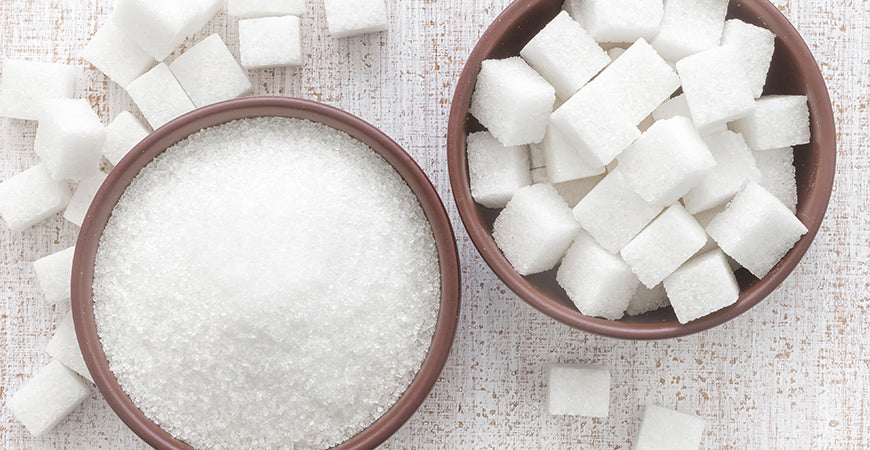
The truth is out – sugar, not healthy fats, is the real culprit behind diet-related health issues like diabetes and obesity. Because sugar is more addictive than cocaine, sugar cravings can feel impossible to overcome on willpower alone. Cutting sugar out is one of the hardest dietary changes to make because our stressed out, sleep deprived, always on-the-go lifestyles make us crave that quick pick-me-up all the more. It’s time for real life tips on how to beat sugar cravings so you can get on track to a healthy diet and weight once and for all. Get Off the Blood Sugar and Insulin Roller Coaster When you eat a meal or snack high in sugar and refined carbs, your blood sugar spikes quickly. This stimulates the release of insulin, which is good, because it escorts that sugar out of the blood and into the cells where it can be burned for fuel. But high insulin causes the sugar to be taken into the cells more quickly, which causes hypoglycemia, or a sugar low. Low blood sugar causes you to crave sugar; it’s a protective mechanism so your sugar doesn’t go life-threateningly low. This is the #1 reason you crave sugar. Back in mankind’s hunter-gatherer time this was good, because available carbs were healthy. They didn’t have the concession stand at the ball game or the racks of candy bars and coolers of soda at the gas station to tempt them into something quick and high in sugar until they could get a real meal. And when you eat that candy bar or drink that soda your blood sugar spikes again, insulin rises, then blood sugar drops again, and this is the roller coaster ruling your cravings. The key to getting off this dangerous ride is in protein, healthy fats and fiber. Each of these slows gastric emptying, which slows the speed of sugar in the diet turning into sugar (glucose) in the blood. If you start your day with something high in sugar and refined carbs like donuts, you set yourself up for a quick rise in blood sugar, followed by a sharp drop, which brings on a craving for more sugar to fix the problem. Ever had a high carb breakfast only to be starving again mid-morning? That’s the blood sugar and insulin roller coaster. Instead, start your day with a healthy meal involving protein, healthy fats and fiber, and you get a slow, steady release of sugar over time instead of a spike, so the highs and lows never come. Include this power trio in several small meals and snacks throughout your day, and watch your cravings disappear. Beat Sugar Cravings with Supplements Have you ever tried to go cold turkey on sugar only to have the cravings draw you back in? It takes menu planning and meal preparation time to change your diet to whole, natural foods and eliminate the processed foods and sweets. Let’s face it – our fast-paced lifestyles don’t make it easy to make these changes. According to Ann Louise Gittleman’s book Get the Sugar Out, these supplements can help bridge the gap until you’re ready to make the lifestyle leap for better health: A little L-Glutamine goes a long way. Times of stress lead to several amino acid deficiencies, and often diet alone isn’t enough to overcome them. A diet high in sugar and refined carbs also pushes out nutrient dense foods and causes these same amino acid deficiencies. When these amino acids are low, “feel good” neurotransmitters like serotonin are low and cause sugar cravings for the boost in mood we get. L-Glutamine in 500 mg doses 3 times per day can cut the sugar cravings almost instantly, according to Ann Louise. It’s a simple short-term solution while you work out the long-term diet changes. Chromium, Manganese and Zinc are often deficient when diet is high in sugar and refined carbs. Supplementing with these minerals helps beat the cravings by doing their part to control blood sugar levels and keep you off the roller coaster. Chromium is usually dosed at 200-600 mg daily, Manganese is 10-30 mg daily, and 30-50 mg of Zinc. In a time crunch, a high quality vegan pea and rice protein powder used in your favorite morning smoothie recipe can balance out those carbs, calm the sugar highs and lows, and stop the cravings before they start. Whey protein and low glycemic grain and vegetable proteins are good choices, make sure they are non-GMO with no sugar added. Hungry for more? If you’re ready to curb your sweet tooth and improve your health, Ann Louise’s book Get the Sugar Out has over 500 tips to help you get the sugar out of your diet.
Learn more
James Talks: Lessons Learned
As a 30-year survivor of Stage IV Melanoma, I understand what it takes to beat cancer and live a long and healthy life. (Read my story here) Because UNI KEY Health is all about universal keys to health and healing, I’d like to give you 10 key lessons I’ve learned on my healing journey: 1. Take control. When this illness hit me, all I knew was to go to a doctor, have them tell me what’s wrong and fix it. But what they had to offer only made me feel worse, and I felt like I was losing the battle. Most of us are taught to be patients, to sit quietly and do what we’re told. I learned through research and the healing testimonies of others that I could take control and do things that felt right to me. So I charged like a bull into my own healing, and it worked. 2. Fully commit. Go all in and do whatever it takes to heal. You have to do the research, create a plan, do the work and have faith you will heal. You need to believe 100% that the path you’ve chosen is the one that will heal you. It’s not an easy battle – you need to fight like you’re in the ring with the prize-fighter, going for the heavyweight title. 3. Stay positive. Even when I couldn’t do much more than rest in bed and prepare a few meals, I stayed positive. I visualized my healing, and how I wanted to live my life. I researched and read healing stories from people using the same techniques I was to get inspired. I didn’t let worry, doubt or depression get a hold of me. One thing I’ve done from the day I took control of my health is set goals for myself, and each time I reach one, I set another. 4. Eat a clean, healthy diet. I researched the macrobiotic diet and had confidence it would work for me. But, the diet that got me healthy isn’t the diet that keeps me healthy. After working with Dr. Hazel Parcells, I expanded my diet and transitioned away from macrobiotics. (Diet is so important for maintaining health, I’ll go into greater detail about it in my next post.) There are many diets for cancer prevention and healing out there, and most have several things in common. The most important points are: eliminate processed foods and sugar choose organic foods reduce or eliminate meat and dairy eat a lot of vegetables, especially dark leafy greens small amounts of low glycemic fruits for an occasional treat replace coffee, soda, milk and juice with a lot of filtered water 5. Find a healing community. Because I was so committed to healing, I wasn’t tempted to go back to living the way I had been before I got sick. But I was lonely, and I wanted others to share my journey and help me stay focused. Once I surrounded myself with people who were on the same path I was, it was easier and more enjoyable to live my new lifestyle. 6. Tune in emotionally and spiritually. Unloading emotional baggage and developing a deep spiritual practice opened me up to levels of healing I wasn’t even aware I needed. Deep breathing exercises, visualization, meditation, and connecting with nature have been an integral part of my healing journey. 7. Supplement with herbs and vitamins. I started using Vitamin C in fairly high doses early in my healing, and I noticed I seemed to feel better than others around me healing from cancer. I later added Iscador (mistletoe injections) at the advice of my holistic-minded doctor and found even more healing. These 2 experiences gave me the confidence I needed to use other healing herbs and supplements when I learned from Ann Louise Gittleman and Dr. Hermann Bueno that I had parasites. 8. Stay open-minded and keep learning. I was shocked to learn about parasites. It never occurred to me this could be an issue in our hygiene-focused society. But researching them, finding out which ones I had, then treating for those specific parasites led to another level of healing for me. Cancer survival is usually measured at 5 years and sometimes 10 years, because the rate of recurrence is so high. I pay attention to new therapies and research new products to beat the odds. 9. Find the root causes, detox and rebuild. Tooth issues, heavy metals, nutrient poor diets, contaminated water, toxic mold exposure, candida, parasites, EMFs, radiation, stress, and toxic emotions – these are some of the root causes to diseases that manifest in our bodies. Once I learned this, it started a fire in me to teach others and provide resources for healing. This is what UNI KEY Health is all about. 10. Live with a purpose. Healing is hard work, and it needs to last a lifetime. Find what makes your life worth living and worth fighting for. Realize your own value, you alone are worth the battle. I’ve been strong and steady in my healing for 30 years now. My life changed when I woke up with the vision to start UNI KEY Health. Now, I’m not only researching and trying new products for me, it’s for you, too.
Learn more
James Talks: Surviving Cancer, Part 5
Read the Introduction, Part 2, Part 3 & Part 4 of Surviving Cancer Getting Inspired When I left the Kushi Institute, I knew it was time for growth beyond the macrobiotic lifestyle and the supportive community there, but I didn’t have a clear direction. Ann Louise Gittleman inspired me, and what she taught me changed the course of my life. I felt better than I had in my entire life, and wanted to teach others what I had learned. I realized if I had issues like parasites probably a lot of other people did, too. I wanted to share everything I learned from Ann Louise and all the holistic doctors I’d seen with others who needed it. I was so consumed with this idea, I woke up in the middle of the night with the inspiration to start a company to share these universal keys to health. And that’s the night Uni Key Health Systems was created. Helping Others Santa Fe, New Mexico was a very health conscious area and that’s the main reason we chose to move there. Ann Louise had such a good reputation that she had a busy schedule seeing clients right away. I started seeing clients in the back room of the house. I taught about parasites and offered testing and cleansing protocols. It was helping people. They would do a parasite detox and feel great. Word of mouth spread, and it wasn’t long before we were both working 7 days a week, each seeing up to 10 people per day. I sent people to the local health food stores to get products, but they couldn’t always find them. Even something as simple as magnesium for constipation wasn’t always in stock. So I started carrying a few products in the back room, and transitioned to starting Uni Key. Leaving My Comfort Zone I added a few supplements to my personal healing regimen, but I was still following macrobiotic principles. I didn’t eat out and cooked my own food everywhere, even when traveling. My digestion was better since the parasite cleanses, but I was still a little underweight. Ann Louise decided it was time for me to meet her mentor, Dr. Hazel Parcells. Dr. Parcells was over 100 years old when I met her, and you wouldn’t know it because she was the picture of health. I took a good look at her, so full of energy and with such vitality, an inspiration at her advanced age. I knew when I met her I wanted to learn everything I could from her. I started going to her seminars and classes, and took every opportunity I could to be with her. Eventually I got to spend some time alongside her in her lab. She taught me how to formulate products, how to detox, and the importance of getting to the root of health problems. One day, she invited me to join her for lunch. She cooked her meals in a crock pot in her lab. She was serving beans and ham hocks, which was as far from my macrobiotic diet as you could get, so I refused. She said I needed to eat animal protein so I wouldn’t get sick again. I looked at her for a minute and realized I should probably take note considering who she was! Until that point, I had never heard of anything but vegetarian diets for people healing from cancer. I researched thoroughly, and found other doctors getting good results with diets including meat and potatoes for melanoma patients. Dr. Parcells convinced me that I could eat anything if you clean it up the right way. That’s when I started my transition away from the macrobiotic diet and began eating animal protein again. I felt better and had more energy, and was finally at a healthy weight. She taught me how to guide myself through this toxic world and stay healthy. Moving Forward We stayed in New Mexico for 2 years, but I didn’t feel as good there, because of radiation exposure from Los Alamos. Our next move brought us to Montana, where I thrived. For 10 years, I did live blood testing in my office. I was busy all the time, with a very large practice just doing this. The blood doesn’t lie, it tells the underlying story, if you know how to look for it. I could see everything from bacteria and candida yeast to heavy metals and so much more. Today, the business has grown to the point where I no longer am able to see clients. Now, I serve people by researching new products, and almost always take them myself. For the last 15 years we’ve been located in beautiful Hayden Lake, Idaho, where we moved in 2003 in order to better support the business’ growth on all levels. After 25 years in business, the original tenets I founded UNI KEY on are still what it’s all about. Getting education and products to people to address underlying causes, then detoxify and rebuild. And that includes me, too. Now that I’ve beat cancer for over 30 years, I will never take my health for granted as a Melanoma cancer survivor. I’m going to do whatever it takes. Stay tuned for my next blog where I’ll share what I’ve learned during my journey–both past and present.
Learn more