


Best Magnesium for Sleep During Menopause: A Guide to 4 Types of Magnesium
If you are a woman navigating menopause and struggling with insomnia, you are certainly not alone. In a recent poll conducted in Ann Louise Gittleman's private Facebook group for women navigating menopause, sleep problems ranked as the second most common concern, just behind weight gain.
Hormonal changes during perimenopause and menopause can disrupt sleep, leaving you tossing and turning when you should be getting the restorative rest your body needs. Stress, dietary habits, and inadequate nutrient intake may add to the problem.
One mineral worth paying attention to is magnesium, often called the master mineral because it plays a role in hundreds of essential bodily processes. Magnesium supports normal muscle and nerve function, energy production, and the regulation of many processes involved in relaxation and sleep.
Could magnesium be the missing piece in your menopause sleep routine? Understanding the different types of magnesium, including magnesium glycinate, magnesium malate, magnesium taurate, and magnesium orotate, can help you make a more informed choice about supplementation.
Join Ann Louise Gittleman's free, supportive group for women navigating menopause!
Can Magnesium Help You Sleep Better During Menopause?
Magnesium is involved in normal nervous system function, muscle relaxation, and processes that help regulate the body's response to stress. Getting enough magnesium is important for health, and a deficiency can contribute to symptoms such as muscle cramps, fatigue, and weakness.
Some people find magnesium supplementation helpful as part of a bedtime routine, particularly when their magnesium intake is inadequate. However, research on magnesium supplements for insomnia is still limited, and magnesium is not a guaranteed treatment for sleep problems associated with menopause.
During perimenopause and menopause, fluctuating hormones, night sweats, hot flashes, anxiety, and changes in sleep patterns can all interfere with a good night's rest. Magnesium is one piece of the puzzle, alongside a consistent sleep schedule, a comfortable sleeping environment, balanced nutrition, and appropriate medical care when needed.
Why Are So Many People Concerned About Magnesium Deficiency?
Magnesium is an essential mineral that your body cannot produce on its own. You must obtain it through food and, when appropriate, dietary supplements.
Despite its importance, many Americans do not meet recommended magnesium intake levels. Diets low in magnesium-rich foods, including leafy green vegetables, legumes, nuts, seeds, and whole grains, can make it difficult to get enough.
Other factors, including certain gastrointestinal conditions, some medications, and heavy alcohol use, can affect magnesium status. Chronic stress can also influence the body's nutritional needs and habits, although the extent to which stress directly depletes magnesium varies.
Magnesium is also essential for normal carbohydrate metabolism and energy production. Rather than focusing on a specific number of magnesium molecules needed to process sugar, the important takeaway is that magnesium helps your body carry out the chemical reactions required to turn food into usable energy.
How Much Magnesium Do You Need Each Day?
Your daily magnesium needs depend on your age and sex. For most adults, the recommended dietary allowance is approximately:
- Women ages 19–30: 310 mg per day
- Women ages 31 and older: 320 mg per day
- Men ages 19–30: 400 mg per day
- Men ages 31 and older: 420 mg per day
These amounts represent magnesium from both food and supplements. Individual needs can vary depending on health status, diet, and other factors.
It is important to distinguish between your total daily magnesium requirement and the amount you take in a supplement. For adults, the tolerable upper intake level for magnesium from supplements and medications is generally 350 mg per day unless a healthcare professional recommends otherwise. This limit does not include magnesium naturally present in food.
Taking more magnesium is not necessarily better. Excessive supplemental magnesium can cause diarrhea, nausea, and abdominal cramping, and very high intakes can be dangerous, particularly for people with impaired kidney function.
What Are the Different Types of Magnesium?
Not all magnesium supplements contain the same form of magnesium. Different forms pair magnesium with different compounds, which can affect absorption, tolerability, and how much elemental magnesium a product provides.
Four forms commonly discussed for their different nutritional roles are magnesium glycinate, magnesium malate, magnesium taurate, and magnesium orotate. Understanding their characteristics can help you choose a magnesium supplement that fits your needs.
1. Magnesium Glycinate: For Relaxation and Sleep
Magnesium glycinate combines magnesium with glycine, an amino acid. It is often chosen by people looking for a magnesium supplement that is gentle on the digestive system.
Magnesium glycinate is frequently discussed in connection with relaxation and sleep because magnesium supports normal nerve function and glycine has its own roles in the nervous system. However, strong clinical evidence that magnesium glycinate specifically treats insomnia, anxiety, or depression remains limited.
Potential reasons people choose magnesium glycinate include:
- Supporting normal nervous system function
- Helping maintain healthy magnesium levels
- Providing a form that is generally less likely to have a laxative effect than magnesium citrate
- Supporting normal muscle function and relaxation
If your primary goal is better sleep during menopause, magnesium glycinate is one form worth discussing with your healthcare professional, particularly if your diet may not provide enough magnesium.
2. Magnesium Taurate: For Heart and Cardiovascular Support
Magnesium taurate combines magnesium with taurine, an amino acid-like compound involved in several physiological processes.
Magnesium contributes to normal muscle and nerve function, including the function of the heart muscle. Taurine also plays a role in cardiovascular physiology, which is why this combination is often included in supplements marketed for heart health.
Magnesium taurate may appeal to people looking for:
- Support for normal heart muscle function
- A source of magnesium to help maintain healthy magnesium status
- A combination of magnesium and taurine in one supplement
Evidence that magnesium taurate specifically prevents migraines, treats heart palpitations, or corrects arrhythmias is insufficient. New or persistent palpitations should be evaluated by a healthcare professional rather than treated with a supplement alone.
3. Magnesium Malate: For Muscles and Energy Production
Magnesium malate combines magnesium with malate, a compound involved in cellular energy metabolism. Magnesium itself is necessary for the body to produce and use ATP, the molecule that supplies energy to cells.
This form is often included in supplements designed to support muscle function and everyday energy needs.
Potential reasons people choose magnesium malate include:
- Supporting normal muscle and nerve function
- Contributing to cellular energy production
- Helping maintain adequate magnesium intake
- Providing an alternative form of magnesium for people who do not tolerate other forms well
Magnesium has been studied for muscle discomfort and fibromyalgia, but the evidence is not strong enough to say that magnesium malate treats fibromyalgia, muscle fatigue, PMS, or headaches. Individual results can vary, and persistent symptoms deserve appropriate evaluation.
4. Magnesium Orotate: For Cellular Function and Physical Performance
Magnesium orotate combines magnesium with orotic acid, a compound involved in certain cellular processes.
Like other forms of magnesium, it provides a mineral that the body needs for normal muscle function, energy metabolism, and numerous biochemical reactions.
Magnesium orotate is sometimes marketed for athletic performance and cardiovascular health. However, evidence supporting unique benefits over other magnesium forms for heart repair, DNA formation, or athletic performance is limited.
People considering magnesium orotate should focus on their actual magnesium needs, the amount of elemental magnesium in the product, and the quality of the supplement rather than assuming one form is universally superior.
Which Type of Magnesium Is Best for You?
The best magnesium supplement depends on your goals, dietary intake, digestive tolerance, and health needs. There is no single form that is best for everyone.
- For sleep and relaxation: Magnesium glycinate is a popular option because it is generally well tolerated.
- For muscle function and energy metabolism: Magnesium malate provides magnesium alongside malate.
- For cardiovascular nutritional support: Magnesium taurate combines magnesium with taurine, although evidence for special benefits is limited.
- For a combination formula: A product containing multiple magnesium forms can provide several forms in one supplement, but more forms do not automatically mean better absorption or results.
When comparing magnesium supplements, look for the amount of elemental magnesium per serving. Check the Supplement Facts panel rather than relying on the total weight of the magnesium compound.
Meet Mag-Key: Four Forms of Magnesium in One Formula
At UNI KEY Health, we believe in thoughtful nutritional support. Mag-Key combines four forms of magnesium, magnesium glycinate, magnesium malate, magnesium taurate, and magnesium orotate, with vitamin B6.
This combination is designed to provide magnesium for several essential functions, including normal muscle and nerve function, energy metabolism, and cardiovascular function. Vitamin B6 is included as part of the formula.
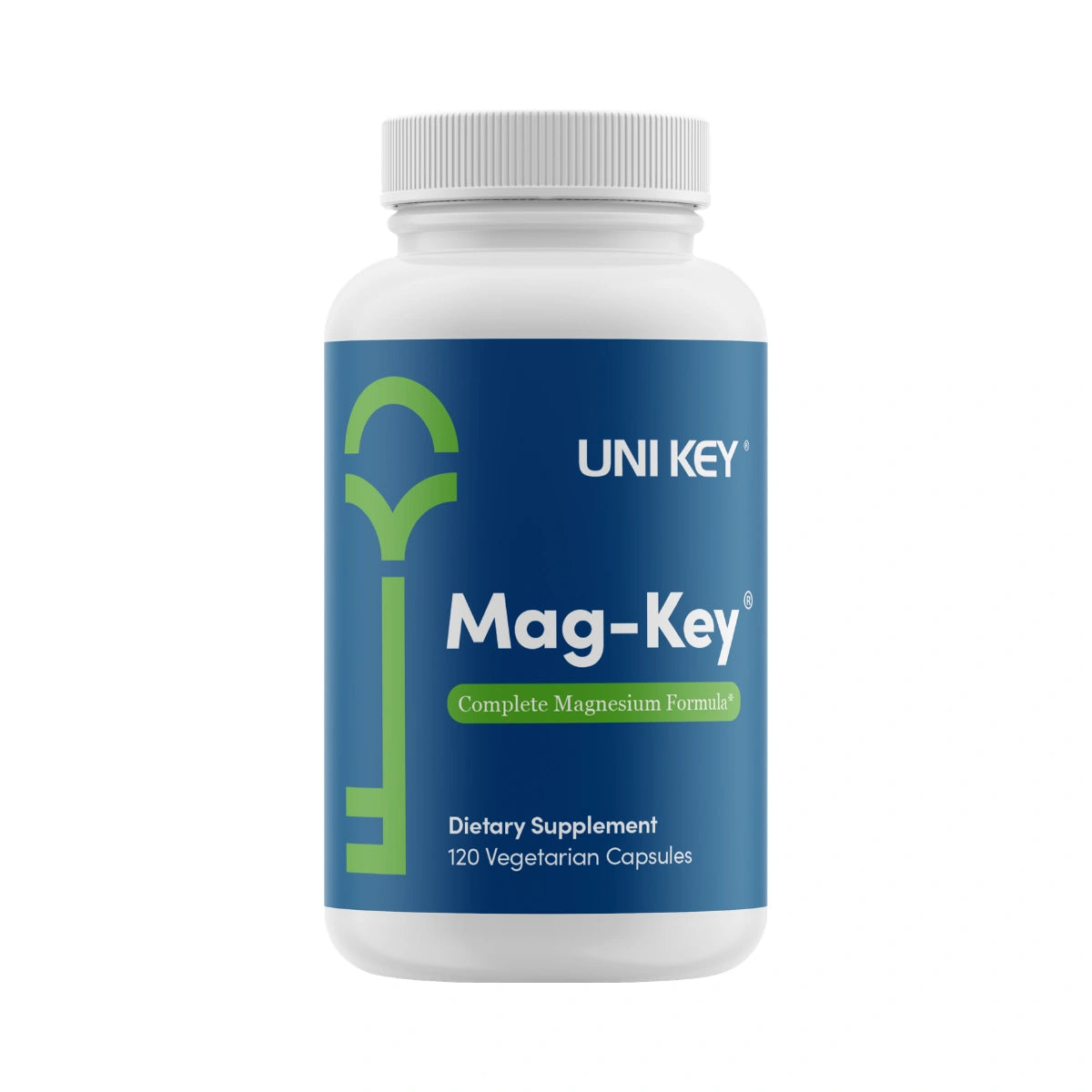
Mag-Key
- ✓ Supports normal muscle and nerve function
- ✓ Helps support cellular energy production
- ✓ Provides four forms of magnesium in one formula
If you are looking for a magnesium supplement to complement a balanced diet, Mag-Key offers a convenient way to obtain these four forms in a single formula. Always review the Supplement Facts panel to understand the amount provided per serving.
Can You Take Magnesium Every Night for Sleep?
Whether you should take magnesium every night depends on your dietary intake, health status, medications, and the amount of magnesium in your supplement.
For adults who need additional magnesium, supplementation may be appropriate, but it is important to follow the product's directions and avoid combining multiple magnesium products without checking the total amount.
If you have kidney disease, take medications that may interact with magnesium, or use medications that affect mineral absorption, consult your healthcare professional before supplementing. Magnesium can interfere with the absorption of certain antibiotics and oral bisphosphonates, so dosing times may need to be separated.
Also remember that persistent insomnia during menopause may have several causes. Frequent hot flashes, night sweats, sleep apnea, restless legs, and other conditions can all disrupt sleep. A healthcare professional can help identify the cause and discuss appropriate treatment options.
Natural Ways to Support Better Sleep During Menopause
Magnesium is only one part of a healthy sleep routine. If you are struggling with menopause-related insomnia, consider these practical steps alongside a nutrient-rich diet.
- Eat magnesium-rich foods. Include pumpkin seeds, almonds, spinach, black beans, and other magnesium-containing foods in your meals.
- Keep a consistent sleep schedule. Going to bed and waking up at similar times can help reinforce your body's sleep-wake rhythm.
- Make your bedroom comfortable. A cool, dark environment may help if hot flashes and night sweats interrupt your sleep.
- Limit late-day caffeine. Caffeine can interfere with falling asleep and staying asleep.
- Develop a calming evening routine. Gentle stretching, reading, and relaxation exercises may help you unwind before bedtime.
- Address persistent symptoms. If sleep problems continue, talk with your healthcare professional about menopause-related symptoms and evidence-based treatment options.
Frequently Asked Questions About Magnesium for Sleep
What is the best type of magnesium for sleep?
Magnesium glycinate is a popular choice because it is generally well tolerated and is often used by people seeking relaxation and sleep support. However, research showing that it specifically treats insomnia is limited, and no form of magnesium is proven to be the best for everyone.
Can magnesium help with menopause insomnia?
Magnesium supports normal nerve and muscle function, and getting enough is important for health. Supplementation may help people who have inadequate magnesium intake, but evidence that it directly improves menopause-related insomnia remains limited. Hormonal changes, hot flashes, and other sleep disorders may also need to be addressed.
What is the difference between magnesium glycinate and magnesium malate?
Magnesium glycinate combines magnesium with glycine and is commonly selected for its digestive tolerability. Magnesium malate combines magnesium with malate, a compound involved in energy metabolism. Both provide magnesium, which supports normal muscle and nerve function.
Can you take magnesium and vitamin B6 together?
Yes, magnesium and vitamin B6 are included together in some dietary supplements. Both nutrients have important roles in normal bodily functions. Check the amount of each nutrient in your product, since excessive vitamin B6 intake over time can cause nerve damage.
How much magnesium should a woman over 50 take daily?
Women ages 31 and older generally need 320 mg of magnesium per day from food and supplements combined. The amount needed from a supplement depends on how much you obtain from your diet and your individual circumstances. The recommended dietary allowance is not a recommendation to take that entire amount as a supplement.
Is it safe to take magnesium every day?
Magnesium can be taken daily when supplementation is appropriate and the dose is suitable. Supplemental magnesium can cause digestive side effects and may interact with certain medications. People with kidney problems should consult a healthcare professional before taking magnesium supplements.
Give Your Body the Nutritional Support It Needs
If insomnia has been keeping you awake, it may be time to look at your sleep habits, diet, and magnesium intake. This essential mineral plays a role in hundreds of bodily processes, from muscle and nerve function to energy metabolism.
Understanding the differences between magnesium glycinate, magnesium malate, magnesium taurate, and magnesium orotate can help you make a more informed decision about supplementation.
For a convenient combination of all four forms, explore Mag-Key by UNI KEY Health. Pair thoughtful nutritional choices with healthy sleep habits, and seek professional guidance if menopause-related insomnia persists.
Related Reading:
- Magnesium for Sleep: How It Works and Which Form to Use
-
Hormone Balance for Women: Supplements and Daily Habits That Help
- Magnesium Deficiency: What Blood Tests Can Miss
-
From Chaos to Calm: Managing Mood with Mindful Solutions
-
Menopause SOS: 10 Ways to Change the Way You Experience “The Change”
This article is for educational purposes only and is not a substitute for personalized medical advice. Dietary supplements are not intended to diagnose, treat, cure, or prevent disease. Consult a qualified healthcare professional before starting a supplement, especially if you have a medical condition or take medication.


