

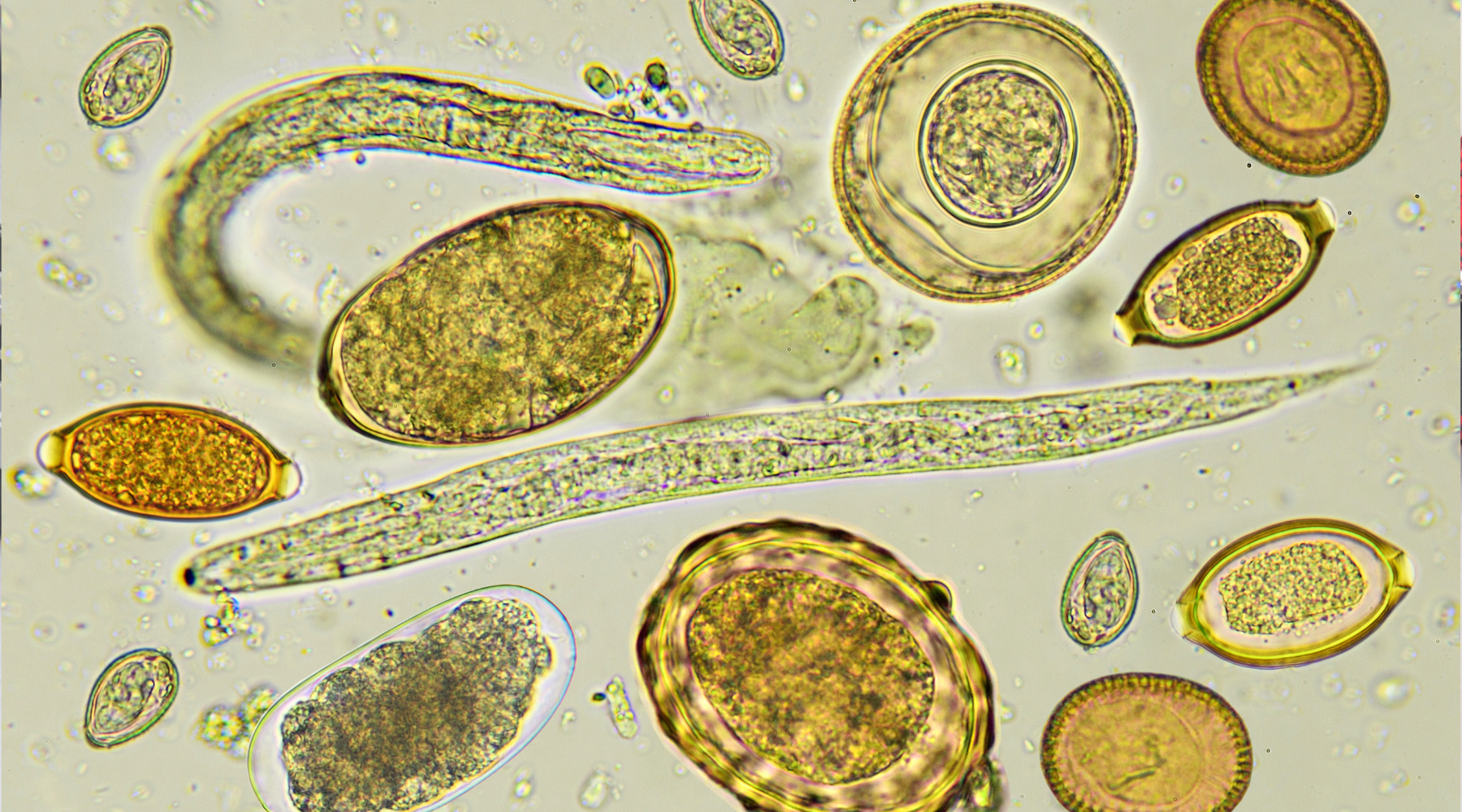
Parasites are more common than most people think. They are not only a concern in far-off places. You can pick them up from food, water, travel, pets, and everyday contact. Many people carry them for years without a clear diagnosis, because the symptoms are easy to mistake for other things.
This guide walks through what a parasite cleanse actually is, the signs that make one worth considering, how a cleanse works step by step, and how to support your gut through the process. Uni Key founder Ann Louise Gittleman has written about this topic for decades, including in her book Guess What Came to Dinner? Parasites and Your Health, so the approach here is measured and practical rather than alarmist.
This article is for general education and is not medical advice. If you suspect a parasitic infection, or you are pregnant, nursing, or managing a health condition, talk with your healthcare provider before starting any cleanse.
What Is a Parasite Cleanse?
A parasite cleanse is a short, structured program designed to make your body a less friendly place for unwanted organisms and to support your natural elimination pathways while you do it. Most cleanses combine specific herbs known for their traditional use against parasites with dietary changes that reduce the sugars and refined carbohydrates parasites tend to thrive on.
A well-designed cleanse usually runs in cycles rather than a single stretch. That is because many parasites have life cycles, and eggs can hatch after the adults are gone. Cycling the herbs over several weeks helps address organisms at different stages.
Common Signs of Parasites in Humans
Parasite symptoms are wide-ranging because different organisms affect the body in different ways. None of these signs confirms a parasite on its own, but a cluster of them, especially after travel or a known exposure, can be worth investigating.
- Digestive issues that come and go: bloating, gas, loose stools, or constipation
- Unexplained fatigue or low energy that does not improve with rest
- Trouble sleeping, or waking repeatedly during the night
- Skin issues such as unexplained rashes, itching, or hives
- Grinding your teeth at night
- Ongoing hunger or feeling unsatisfied even after meals
- Muscle or joint aches without a clear cause
- Mood changes, irritability, or difficulty concentrating
Because these overlap with many other conditions, testing can help. A comprehensive stool analysis is the most direct way to look for parasites, and it is worth discussing with a practitioner if your symptoms persist.
Types of Parasites That Affect Humans
When people hear the word parasite they often picture large worms, but most human parasites fall into two broad groups, and many are microscopic.
- Protozoa are single-celled organisms such as Giardia and Cryptosporidium. They are a common cause of traveler's digestive trouble and can spread through contaminated water.
- Helminths are worms, including roundworms, pinworms, tapeworms, and flukes. Pinworms are especially common in households with children.
You can be exposed through undercooked meat or fish, contaminated produce or water, travel to areas with different sanitation standards, close contact with pets, or simply everyday hand-to-mouth contact. This is why a cleanse is often paired with better food, water, and hygiene habits rather than used on its own.
How Does a Parasite Cleanse Work?
A thorough approach usually has three parts working together: herbs that target the organisms, dietary changes that stop feeding them, and support for your gut and elimination pathways so your body can clear what it releases.
1. Targeted Herbs
Certain botanicals have a long traditional history in parasite protocols. Black walnut, wormwood, and cloves are the classic trio, often used together because they are thought to address organisms at different life stages. Uni Key's Para-Key and Verma-Plus were formulated by Ann Louise Gittleman around this kind of herbal approach, designed to be used together as a two-part system.
Para-Key + Verma-Plus (the two-part herbal system)
Ann Louise Gittleman's signature parasite-cleansing pair. Para-Key delivers targeted herbs while Verma-Plus adds a synergistic botanical blend, designed to be cycled together across a full cleanse.
Shop the parasite cleanse →2. A Cleanse-Friendly Diet
Parasites feed on sugar and refined carbohydrates. Cutting back on added sugar, alcohol, and processed foods during your cleanse removes their preferred fuel. Emphasize vegetables, clean protein, healthy fats, and foods traditionally used to discourage parasites, such as garlic, pumpkin seeds, and fermented foods.
3. Gut and Elimination Support
As a cleanse works, your body needs open elimination pathways to carry things out. Staying well hydrated, getting enough fiber, and supporting regular bowel movements all matter. Rebuilding healthy gut flora afterward is just as important, which is where a quality probiotic like Flora-Key comes in.
Flora-Key
A gut-friendly probiotic to replenish beneficial bacteria after your cleanse, so your microbiome recovers balanced and resilient. The natural next step once the herbs have done their work.
Shop Flora-Key →A Step-by-Step Parasite Cleanse Plan
Here is a practical framework. Always follow the specific directions on any product you use, and check with your provider first.
- Prepare (a few days). Start cutting sugar, alcohol, and processed foods. Increase water and fiber so your elimination pathways are working well before you begin.
- Cleanse (several weeks, in cycles). Follow your herbal protocol as directed. Products like Para-Key and Verma-Plus are designed to be cycled so they address parasites across their life stages.
- Support daily. Keep hydration, fiber, and bowel regularity steady throughout. Gentle movement and rest help too.
- Rebuild (after). Reintroduce beneficial bacteria with a probiotic and continue eating in a way that supports your gut. This step helps your microbiome recover and stay resilient.
Should You Get Tested First?
Testing is not required to do a gentle herbal cleanse, but it can be reassuring and helps you track results. A comprehensive stool analysis looks for parasites, their eggs, and markers of gut health. Because parasites shed intermittently, a single sample can miss them, so many practitioners use a multi-day collection for better accuracy.
If you would rather work from symptoms, that is common too. Many people run a seasonal cleanse as general maintenance, especially after travel. Either way, pairing the cleanse with broader gut support makes sense. You can explore testing options and gut-support tools in our digestive health collection.
What to Expect During a Cleanse
Some people feel a little off for the first few days, sometimes described as feeling more tired or having mild digestive changes. This is usually temporary. Staying hydrated and keeping your bowels moving helps you feel more comfortable. If you feel genuinely unwell, stop and check with your provider.
A cleanse is not a one-time fix. Many people who are prone to parasites, or who travel often, repeat a cleanse periodically. Prevention matters too: wash produce well, be careful with food and water when traveling, practice good hand hygiene, and deworm pets on schedule.
Supporting Your Gut Before and After
A parasite cleanse is one part of a bigger picture of gut health. If digestive symptoms are a regular issue for you, it can help to look at the whole system. Our digestive health collection brings together the tools Ann Louise recommends for gut support, and our parasite cleansing collection has the specific formulas designed for this purpose. For a broader reset, see our cleansing collection.
The goal is not just to complete a cleanse, but to build a gut environment that stays balanced and resilient over time.
Frequently Asked Questions
How long does a parasite cleanse take?
Most structured cleanses run a few weeks and are done in cycles to address parasites at different life stages. Follow the directions on your specific product. Some people repeat a cleanse seasonally or after travel.
What should I eat during a parasite cleanse?
Focus on vegetables, clean protein, and healthy fats, and cut back on added sugar, alcohol, and refined carbohydrates, since those feed parasites. Foods traditionally used to discourage parasites include garlic, pumpkin seeds, and fermented foods.
Can I do a parasite cleanse safely at home?
A gentle, well-formulated herbal cleanse is reasonable for many healthy adults when used as directed. If you are pregnant, nursing, managing a health condition, or giving anything to a child, check with your provider first.
How do I know if the cleanse worked?
Many people notice steadier digestion, better energy, and improved sleep. If you tested before starting, you can retest afterward. Ongoing or worsening symptoms are a reason to see your provider.
The Bottom Line
Parasites are common, their symptoms are easy to overlook, and a structured cleanse is a reasonable, well-established way to address them. The most effective approach combines targeted herbs, a low-sugar diet, steady elimination support, and rebuilding your gut flora afterward. If you suspect a parasite or your symptoms are ongoing, testing and a conversation with your provider are the smartest first steps.
Ready to start? Everything you need for a complete, cycled cleanse is in one place.
Shop the Parasite Cleanse Collection →Sources and Further Reading
- Centers for Disease Control and Prevention: About Parasites
- CDC: Preventing Parasitic Infections (food, water, and hygiene)
- National Institute of Diabetes and Digestive and Kidney Diseases: Your Digestive System
- Ann Louise Gittleman, Guess What Came to Dinner? Parasites and Your Health
These statements have not been evaluated by the Food and Drug Administration. These products are not intended to diagnose, treat, cure, or prevent any disease.


