

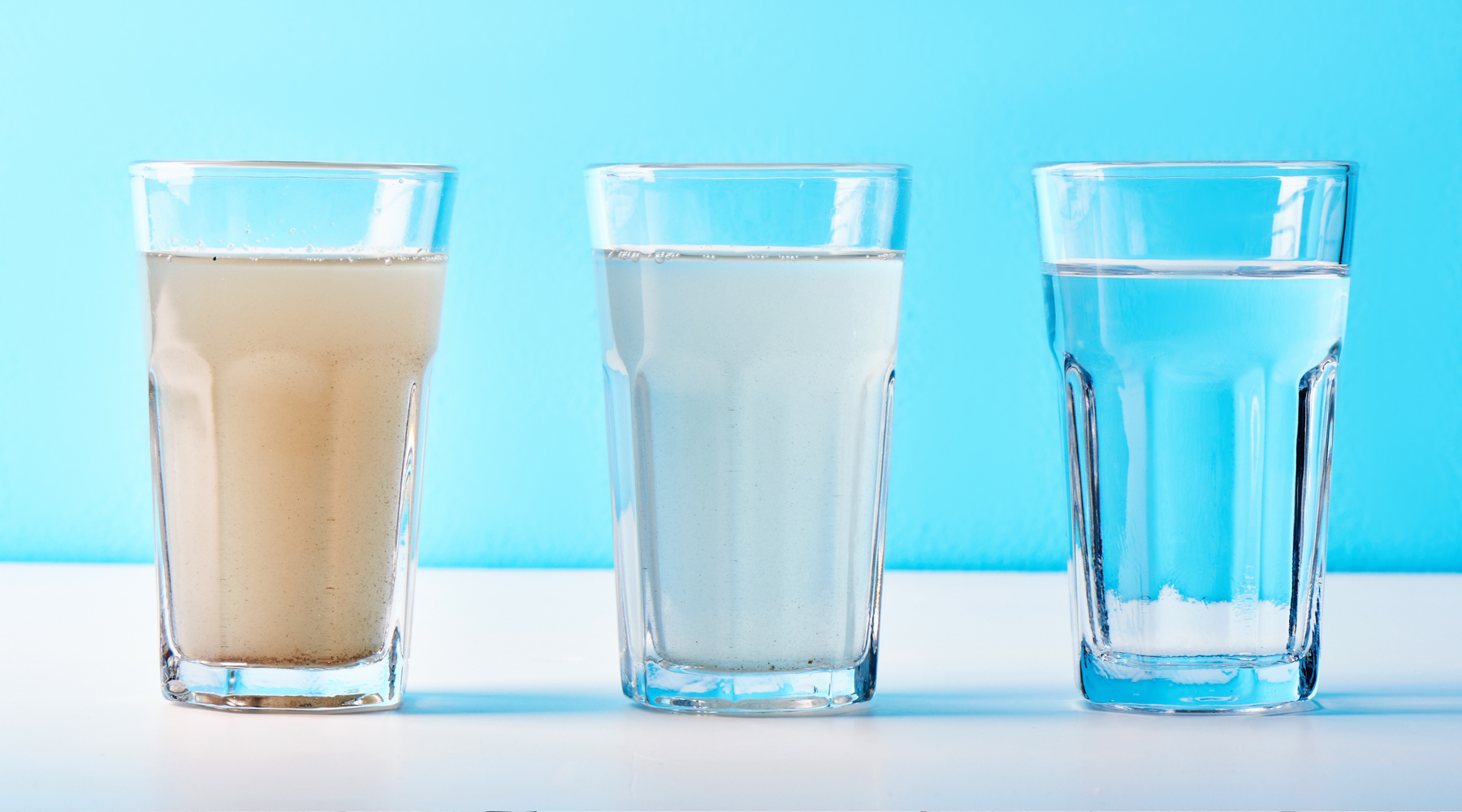
Best Water Filter Buying Guide: How to Choose Wisely
Finding the best water filter isn't as simple as choosing the most expensive model or the one with the highest online ratings. Today's drinking water may contain chlorine, lead, PFAS ("forever chemicals"), pesticides, pharmaceutical residues, and even microplastics—but not every filter removes all of these contaminants. In fact, some systems strip out beneficial minerals along with the unwanted substances.
After decades of helping people reduce their toxic burden, I've come to believe that clean water is one of the most important investments you can make in your health. In this water filter buying guide, I'll walk you through the different types of filters, explain what they actually remove, and help you choose the one that's right for your home and your family.
Why Water Quality Matters More Than Ever
If you're wondering whether a water filter is really necessary, you're not alone. After all, if your tap water looks clear and tastes fine, shouldn't it be safe?
The reality is more complicated.
Public water treatment has done a remarkable job of reducing infectious diseases, but today's concerns are different. Modern water supplies can contain trace amounts of contaminants that weren't on anyone's radar decades ago—including chlorine byproducts, lead from aging pipes, PFAS ("forever chemicals"), pesticide residues, pharmaceutical compounds, and microplastics.
The specific contaminants vary depending on where you live and whether your water comes from a municipal source or a private well. That's why there's no one-size-fits-all solution when choosing the best water filter.
The good news is that today's filtration systems can dramatically reduce many of these unwanted substances. The key is understanding which filter is designed to remove the contaminants you're most concerned about.
Before you buy, it's important to know exactly what different types of water filters can—and cannot—do.
What Should a Good Water Filter Remove?
Not all water filters are created equal. Some are designed primarily to improve taste and odor, while others can reduce a much broader range of contaminants.
When comparing water filtration systems, here's what I look for:
|
Look For |
Why It Matters |
|
Chlorine & chloramines |
Improve taste and help reduce exposure to common water disinfectants. |
|
Lead |
Important in homes with older plumbing or aging infrastructure. |
|
PFAS ("forever chemicals") |
Persistent environmental contaminants that have become a growing health concern. |
|
Microplastics |
Tiny plastic particles that are increasingly being detected in drinking water. |
|
Pesticides & herbicides |
May be present depending on your local water source. |
|
Volatile organic compounds (VOCs) |
Industrial chemicals that some advanced filtration systems can reduce. |
|
Third-party testing |
Look for systems that have been independently tested to verify performance. |
The "best" water filter isn't necessarily the most expensive—it's the one that matches your water source, your family's needs, and the contaminants you're trying to reduce.
For most households, we recommend choosing a high-quality filtration system that's independently tested and easy to maintain. After all, even the best filter won't do its job if you forget to replace the cartridge!
Reverse Osmosis vs. Activated Carbon: Which Is Right for You?
When shopping for a water filter, you'll quickly discover there are two main types: activated carbon and reverse osmosis (RO). Both can give you cleaner drinking water, but they work in different ways.
Activated carbon filters are great for improving the taste and smell of your water. They also help reduce chlorine and many other common contaminants, while leaving beneficial minerals like calcium and magnesium in the water.
Reverse osmosis (RO) systems provide more extensive filtration. They remove a wider range of contaminants, including many heavy metals and dissolved substances. Because they're so thorough, they may also remove some naturally occurring minerals along with the contaminants.
|
Activated Carbon |
Reverse Osmosis |
|
Improves taste and odor |
Removes a broader range of contaminants |
|
Reduces chlorine and many VOCs |
Reduces dissolved solids and many heavy metals |
|
Retains beneficial minerals |
May remove beneficial minerals along with contaminants |
|
Requires less water |
Some systems produce wastewater during filtration |
Neither system is "better" for everyone. The right choice depends on your water quality, your family's needs, and the contaminants you're trying to reduce. Rather than choosing a filter based on advertising or price alone, look for one that's been independently tested and is designed to remove the contaminants that matter most to you.
How to Choose The Best Water Filter
The first step in choosing the right water filter isn't buying one—it's finding out what's actually in your water.
Water quality varies widely depending on where you live, the age of your plumbing, and whether your water comes from a municipal source or a private well. That's why it's important to test, don't guess.
At UNI KEY Health, we're proud to partner with Dr. Roy Speiser, Level 5 Water Specialist at CWR Environmental. Dr. Speiser can help you evaluate your water quality and explain which contaminants may be present.
Based on your home's water, your health concerns, and your family's needs, he can also recommend the filtration system that's best for you. Whether you need a simple drinking water filter, a bath or shower filter, or a whole-house solution, getting expert guidance can save you time, money, and frustration.
The goal isn't to buy the most expensive system—it's to choose the right one.
💧 Did You Know?
Most people focus on filtering the water they drink—but don't overlook the water you shower in.
During a hot shower, chlorine and other volatile chemicals can be inhaled in the steam, and your skin is exposed to whatever is in the water. That's why many health-conscious families choose to filter both their drinking and shower water, or simply install a whole-house water filtration system.
If you're taking steps to reduce your overall toxic burden, a shower filter can be an important part of the equation.
Why UNI KEY Health Chose CWR Environmental
There are hundreds of water filtration systems on the market today. Some perform exactly as advertised, while others make impressive claims without delivering meaningful results.
That's why UNI KEY Health partnered with CWR Environmental—a company dedicated to helping families find the right filtration solution based on their individual water quality and needs.
Rather than asking you to guess which system to buy, CWR Environmental offers expert guidance to help you understand your water and choose a filtration system that fits your home, your lifestyle, and your budget.
Whether you're looking for a countertop filter, an under-sink system, or whole-house filtration, you'll have access to knowledgeable support before making your investment.
Clean water isn't one-size-fits-all. The best water filter is the one that's right for your home—and that's exactly what we're here to help you find.
Best Water Filter FAQs
What is the best water filter for home use?
The best water filter depends on your water quality and the contaminants you want to reduce. That's why testing your water is the first step. Once you know what's in your water, you can choose a filtration system that's designed to address your specific needs.
Is reverse osmosis better than an activated carbon filter?
Neither is better for everyone. Activated carbon filters are excellent for improving taste and reducing chlorine and many common contaminants, while reverse osmosis systems remove a broader range of impurities. The right choice depends on your home's water and your filtration goals.
Should I have my water tested before buying a filter?
Absolutely. Water quality varies from one home to the next. Testing your water helps identify the contaminants present, so you can choose the most effective filtration system rather than guessing.
How often should I replace my water filter?
It depends on the type of filter and how much water your household uses. Always follow the manufacturer's recommendations. Replacing filters on schedule is essential to maintain optimal performance.
Can water filters remove PFAS ("forever chemicals")?
Some can, but not all. Certain activated carbon and reverse osmosis systems are designed to reduce PFAS. Be sure to choose a system that's been independently tested for the contaminants you're concerned about.
Do water filters remove beneficial minerals?
Some do. Reverse osmosis systems may remove naturally occurring minerals such as calcium and magnesium, while many activated carbon filters leave these minerals in the water.
How do I know which water filter is right for my home?
Start by testing your water. Dr. Roy Speiser, a Level 5 Water Specialist and UNI KEY Health's trusted water filtration expert, can help you understand your water quality and recommend the filtration system that's best suited to your home and your family's needs. Simply call us at 800-888-4353 and we'll put you in touch with him for a free consultation!
Whether you're looking for a countertop, under-sink, shower or bath filter, you'll find a solution that's right for your home in our Water Filtration Collection.


