

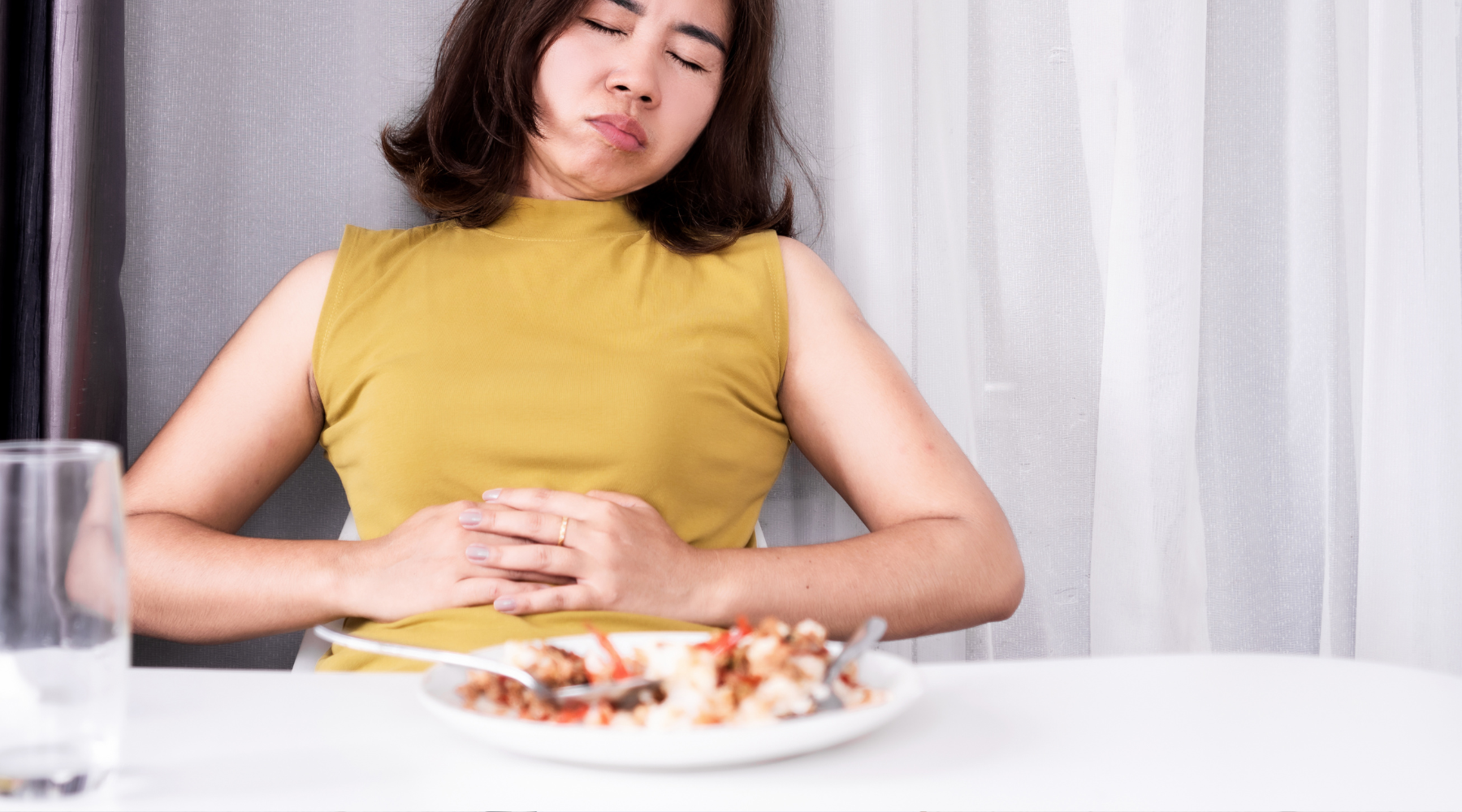
Bloating After Eating: Why It Happens and How to Feel Better
Almost everyone feels bloated after a meal now and then. But if your stomach regularly feels tight, swollen, or uncomfortably full after eating, it is worth understanding why, because the cause is usually something you can address.
This guide covers the most common reasons for bloating after eating, simple habits that help, and when bloating is a sign to see your provider. The goal is steady, comfortable digestion, not a quick fix that fades by tomorrow.
This article is for general education and is not medical advice. Persistent or severe symptoms should be evaluated by your healthcare provider.
Why Do You Feel Bloated After Eating?
Bloating is the feeling of pressure or fullness in your belly, often with visible swelling. It usually comes down to gas, digestion that is moving too slowly, or the way your body handles certain foods. Here are the most common causes.
Eating Too Quickly
When you eat fast, you swallow more air and give your stomach less time to signal that it is full. Slowing down, chewing thoroughly, and putting your fork down between bites can make a real difference on its own.
Low Stomach Acid or Weak Digestion
Digestion starts at the top. If your stomach is not producing enough acid, or your body is short on digestive enzymes, food can sit and ferment, which produces gas. This becomes more common with age. Support like HCL+2 or a digestive enzyme such as Digesta-Key can help your body break food down more completely.
Digesta-Key
A broad-spectrum digestive enzyme that helps break down protein, fat, and carbohydrates so food does not sit and ferment. Take it with meals when bloating and heaviness are your main complaint.
Shop Digesta-Key →HCL+2
Betaine hydrochloride to support healthy stomach acid, the very first step of digestion. Best if you bloat right after eating or struggle to digest protein.
Shop HCL+2 →Trouble Digesting Fats
Feeling heavy and bloated specifically after rich or fatty meals can point to sluggish bile flow. Bile emulsifies fat so you can digest it. If bile is thick or low, fat sits undigested. Bile Builder is formulated to support healthy bile production for exactly this situation.
Bile Builder
Formulated to support healthy bile flow so fatty meals feel lighter. Especially helpful if you feel heavy after rich food or you no longer have a gallbladder.
Shop Bile Builder →Certain Foods and Ingredients
Common bloating triggers include beans and legumes, cruciferous vegetables like broccoli and cabbage, dairy (especially if you are lactose sensitive), carbonated drinks, artificial sweeteners, and very salty processed foods. You do not have to avoid all of these, but noticing your personal triggers helps.
Gut Bacteria Imbalance
An imbalance in gut bacteria, sometimes involving overgrowth in the small intestine, can produce excess gas as bacteria ferment food. If bloating is severe and constant, this is worth discussing with your provider, who can test for it.
How to Reduce Bloating After Eating
Most everyday bloating responds well to a handful of simple habits. Try these consistently for a couple of weeks and notice what changes.
- Slow down and chew. Digestion begins in the mouth. Chewing thoroughly does part of the work your stomach would otherwise struggle with.
- Eat smaller, more balanced meals. Large meals overwhelm your digestion. Protein, fiber, and healthy fat in moderate portions are easier to process.
- Support your digestion. If low stomach acid or enzymes are the issue, targeted support with meals can help food break down before it ferments.
- Stay hydrated, mostly between meals. Water supports digestion, but drinking large amounts during a meal can dilute stomach acid. Sip, do not gulp.
- Move after meals. A gentle 10-minute walk helps food move through your system and eases gas.
- Watch your triggers. Keep a simple note of what you ate when bloating is worst. Patterns tend to appear quickly.
Foods That Help With Bloating
Some foods actively support comfortable digestion. Work these in regularly:
- Ginger, fresh or as tea, which supports stomach emptying
- Peppermint tea, which can relax the digestive muscles
- Fennel seeds, a traditional after-meal digestive aid
- Fermented foods like sauerkraut and kefir, for beneficial bacteria
- Cucumber, celery, and other high-water vegetables
- Potassium-rich foods like bananas and leafy greens, which help balance sodium and reduce water retention
The Stress and Digestion Connection
Your gut and your nervous system are closely linked. When you eat while stressed or rushing, your body is in fight-or-flight mode, which is the opposite of the calm, rest-and-digest state where digestion works best. Blood flow shifts away from your gut, stomach acid and enzyme output can drop, and food moves less efficiently.
This is why the same meal can feel fine on a relaxed evening and leave you bloated when you eat it at your desk under a deadline. A few slow breaths before eating, and giving yourself even ten unhurried minutes for a meal, genuinely helps your digestion do its job.
Bloating or Water Retention?
It helps to know which one you are dealing with, because the fixes differ. Digestive bloating comes from gas and tends to follow meals, easing overnight. Water retention feels more like general puffiness, often in the hands, ankles, or face, and is frequently tied to high sodium intake, hormonal shifts, or sitting still for long stretches.
For water retention, cutting back on processed salt, drinking more water (which sounds backwards but works), and eating potassium-rich foods usually helps. For gas-based bloating, the digestion habits above are the answer.
When Bloating Is a Sign to See Your Provider
Occasional bloating is normal. See your provider if bloating is severe, does not go away, or comes with any of these: unexplained weight loss, blood in your stool, persistent pain, vomiting, or a noticeable change in your bowel habits. These deserve a proper evaluation.
Building Better Digestion Over Time
Bloating after eating is usually your body asking for a little more support with digestion. Slowing down, noticing triggers, and giving your stomach and bile the help they need often resolves it. For a fuller toolkit, explore our digestive health collection, where you will find the enzyme, stomach acid, and bile support formulas designed to keep digestion running smoothly.
Comfortable digestion is a daily practice more than a one-time cure. Small, consistent habits add up.
Beat the bloat. Find the digestive support that matches your symptoms.
Shop Digestive Support →Frequently Asked Questions
Why am I so bloated after every meal?
Bloating after most meals often points to weak digestion, such as low stomach acid or enzymes, eating too fast, or a recurring food trigger. Start by slowing down and noticing patterns, and consider digestive support if it continues.
How long should bloating last after eating?
Mild bloating that eases within a few hours or overnight is normal. Bloating that lingers all day, or that is severe and constant, is worth discussing with your provider.
What drinks help reduce bloating?
Ginger tea, peppermint tea, and fennel tea are traditional favorites for easing gas and supporting digestion. Plain water between meals helps too. Skip carbonated and heavily sweetened drinks, which can make bloating worse.
Can supplements help with bloating?
If the cause is weak digestion, targeted support with meals can help. Digestive enzymes assist with breaking food down, stomach acid support helps if yours is low, and bile support helps with heaviness after fatty meals. Match the support to the pattern you notice.
Sources and Further Reading
- National Institute of Diabetes and Digestive and Kidney Diseases: Gas in the Digestive Tract
- Cleveland Clinic: Bloating, Causes and How to Reduce It
- National Institute of Diabetes and Digestive and Kidney Diseases: Your Digestive System and How It Works
These statements have not been evaluated by the Food and Drug Administration. These products are not intended to diagnose, treat, cure, or prevent any disease.


