

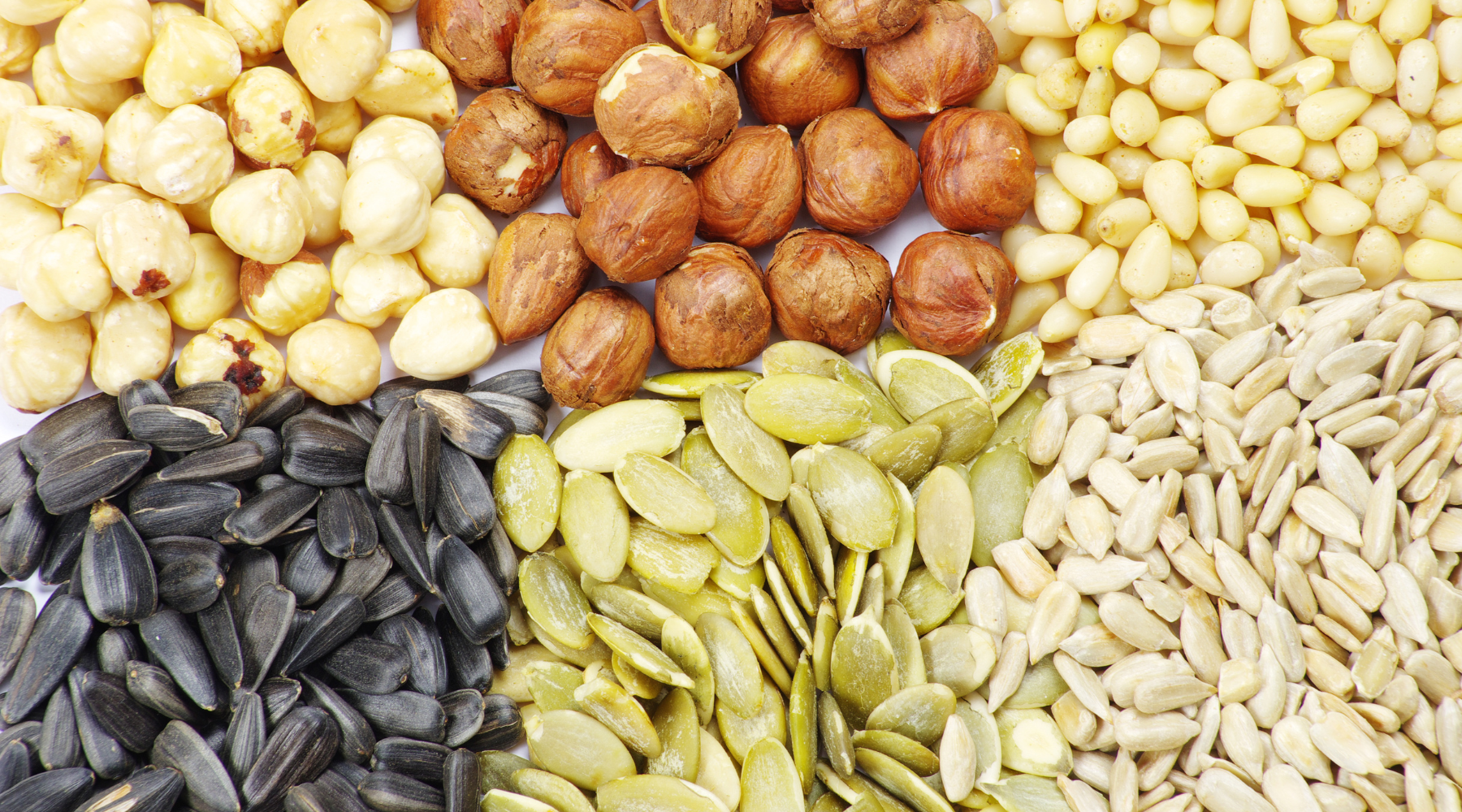
Could something as simple as adding a few tablespoons of seeds to your daily routine help support healthy hormones?
That's the question behind one of the fastest-growing nutrition trends known as seed cycling. Supporters claim that eating flax, pumpkin, sesame, and sunflower seeds in a specific pattern may help promote hormone balance naturally.
But is there real science behind the trend—or are these tiny nutritional powerhouses simply good for you regardless of when you eat them?
Let's separate the hype from what the research actually says.
Exactly What Is Seed Cycling?
Seed cycling is a wellness practice that recommends eating four different seeds—flax, pumpkin, sesame, and sunflower—in a specific pattern to support hormone health. While the traditional approach aligns the seeds with different phases of the menstrual cycle, the real nutritional interest lies in the seeds themselves. Each provides fiber, healthy fats, antioxidants, vitamins, minerals, and unique plant compounds that support overall wellness.
Meet the Four Seeds Behind the Trend
| Seed | Key Nutrients | Supports |
|---|---|---|
| Flaxseed | Lignans, omega-3 fats (ALA), fiber | Healthy estrogen metabolism, digestive health, heart health |
| Pumpkin Seeds | Zinc, magnesium, iron, healthy fats | Energy production, immune function, metabolic health |
| Sesame Seeds | Lignans, calcium, copper, magnesium | Bone health, antioxidant protection, cardiovascular health |
| Sunflower Seeds | Vitamin E, selenium, healthy fats | Antioxidant defenses, skin health, immune support |
What Makes These Four Seeds Different?
With hundreds of edible seeds to choose from, why are flax, pumpkin, sesame, and sunflower seeds at the heart of seed cycling?
Each of these four seeds has its own nutritional strengths. Some are especially rich in healthy fats, while others provide valuable minerals, antioxidants, fiber, or unique plant compounds. Together, they create a nutritional powerhouse that supports not only healthy hormone production and metabolism, but your overall health as well.
Flaxseed is prized for its fiber, lignans, and plant-based omega-3 fats. Pumpkin seeds provide generous amounts of zinc and magnesium, two minerals essential for countless biochemical reactions. Sesame seeds contribute additional lignans along with calcium and copper, while sunflower seeds are rich in vitamin E and selenium—powerful antioxidants that help protect healthy cells.
Together, these four seeds deliver an impressive nutritional package that goes far beyond hormone health. They help nourish the body with healthy fats, fiber, antioxidants, vitamins, and minerals that support everything from heart and digestive health to immune function and healthy aging.
Think about it. Seeds have one job: to grow an entire new plant.
To accomplish that, nature packs them with an extraordinary concentration of nutrients—healthy fats, protein, minerals, antioxidants, and protective plant compounds. When we eat those same seeds, we benefit from that remarkable nutritional package.
Flaxseed: Nature's Richest Source of Lignans
Flaxseed is best known for its high concentration of lignans—plant compounds that have been extensively studied for their role in supporting healthy estrogen metabolism. It's also one of the richest plant sources of omega-3 fatty acids (ALA) and an excellent source of fiber, making it a smart choice for heart, digestive, and metabolic health.
Pumpkin Seeds: Tiny Seeds Packed with Minerals
Pumpkin seeds provide generous amounts of zinc and magnesium, two minerals involved in hundreds of enzymatic reactions throughout the body. Zinc plays an important role in immune function and normal hormone production, while magnesium supports muscle function, energy production, and a healthy stress response.
Sesame Seeds: More Than a Topping
Sesame seeds are another rich source of lignans, along with calcium, copper, and magnesium. These nutrients help support healthy bones, antioxidant defenses, and cardiovascular health.
Sunflower Seeds: Vitamin E Powerhouses
Sunflower seeds are loaded with vitamin E, one of the body's most important fat-soluble antioxidants. They also supply selenium and healthy unsaturated fats that help support healthy cells, skin, and immune function.
How Can Seeds Support Hormone Health?
Hormones don't simply appear out of thin air. Your body relies on a steady supply of healthy fats, vitamins, minerals, antioxidants, and fiber to produce, transport, and metabolize them properly.
That's where seeds shine.
Each of the four seeds commonly included in seed cycling contributes unique nutrients that help support the body's normal hormonal processes. While no single food is a magic bullet, regularly enjoying a variety of nutrient-rich seeds can be a simple way to nourish your endocrine system and your overall health.
Of the four seeds commonly associated with seed cycling, flaxseed has attracted the greatest scientific interest. Rich in fiber, lignans, and plant-based omega-3 fatty acids, flax has long been a favorite of Ann Louise for supporting whole-body wellness.
If you regularly enjoy freshly ground flaxseed, you're already giving your body an impressive nutritional boost. For those looking for another convenient way to increase their intake of flax's beneficial omega-3s, UNI KEY Health Organic Flax Oil is cold-pressed from organic golden flaxseed to preserve these delicate essential fats. It's an easy addition to smoothies, homemade salad dressings, or other cold foods.
Can Eating a Few Tablespoons of Seeds Really Support Healthy Hormones?
While researchers continue to explore the science behind seed cycling, one thing is already clear: flax, pumpkin, sesame, and sunflower seeds are among the most nutrient-dense foods you can add to your diet. Whether you follow a seed cycling schedule or simply enjoy them as part of a healthy lifestyle, these tiny nutritional powerhouses deserve a place at your table.
And if flaxseed is the one you reach for most often, a high-quality Organic Flax Oil is another convenient way to incorporate its beneficial plant-based omega-3s into your daily routine.
Frequently Asked Questions
Is seed cycling backed by scientific research?
Research on the seed cycling protocol is still evolving. However, the four seeds commonly used in seed cycling are well known for their impressive nutritional profiles and can be a healthy addition to a balanced diet. Whether or not you follow a seed cycling schedule, incorporating these nutrient-rich foods into your routine is a smart choice.
Is flax oil as beneficial as eating flaxseed?
Flaxseed and flax oil each have unique benefits. Ground flaxseed provides fiber and lignans, while Organic Flax Oil delivers concentrated plant-based omega-3 fatty acids (ALA). Including both in your diet is an excellent way to enjoy the full nutritional benefits of flax.
How can I use Organic Flax Oil?
Because flax oil is delicate, it's best enjoyed without heating. Try drizzling our Organic Flax Oil over salads, blending it into smoothies, stirring it into yogurt, or adding it to cooked vegetables just before serving. Its mild, nutty flavor makes it easy to incorporate into your daily routine.
How much flaxseed should I eat each day?
A common recommendation is 1 to 2 tablespoons of freshly ground flaxseed daily as part of a balanced diet. If you prefer a convenient alternative for increasing your intake of plant-based omega-3s, Organic Flax Oil is another simple way to make flax part of your everyday wellness routine.


