

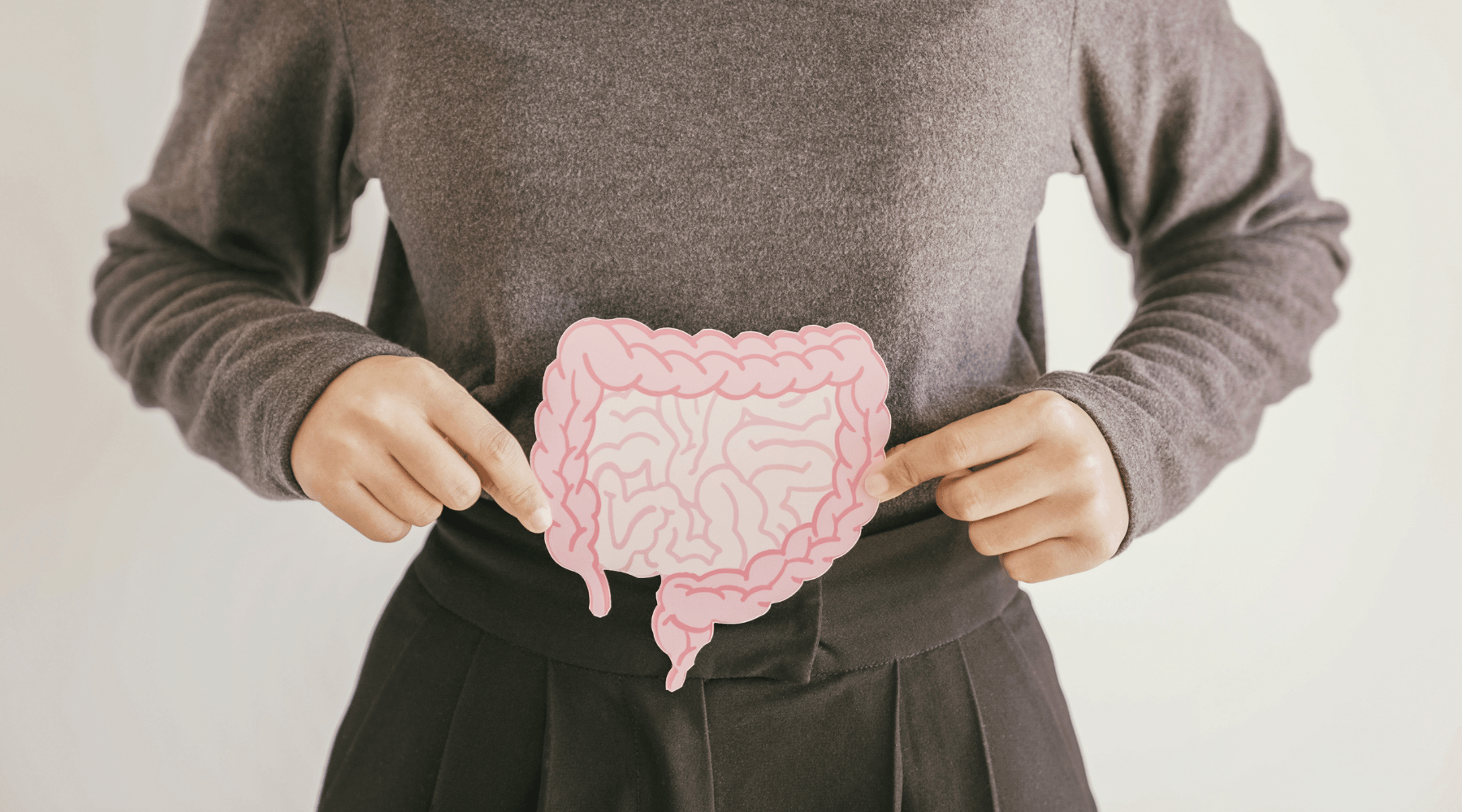
Leaky gut has moved from the fringes of nutrition into everyday conversation, and for good reason. When the lining of your gut is not doing its job, the effects reach far past your stomach, touching your energy, your skin, your joints, and even your mood. Understanding what leaky gut is, and what actually helps, puts you back in control of a system that shapes how you feel every day.
Here is what leaky gut means, the signs that point to it, what tends to cause it, and a practical plan to support your gut lining.
This article is for general education and is not medical advice. The symptoms below overlap with several medical conditions, so see your healthcare provider for persistent or severe digestive issues to get a proper diagnosis.
What Leaky Gut Actually Means
Your gut lining is a single layer of cells, packed tightly together, that acts as a gatekeeper. It lets digested nutrients pass into your bloodstream while keeping out the things that should stay in your gut: undigested food particles, bacteria, and waste. The junctions between those cells are meant to be selective.
In leaky gut, also called increased intestinal permeability, those junctions loosen. The barrier that should be selective becomes too open, and particles that belong in the gut slip through into the bloodstream. Your immune system sees them as intruders and mounts a response, and that low-grade immune activation is thought to be why leaky gut shows up as symptoms all over the body, not just in your belly.
Common Signs of Leaky Gut
No single symptom confirms leaky gut, and many overlap with other conditions. But a cluster of these, especially digestive symptoms alongside whole-body ones, is worth paying attention to:
Digestive signs
- Chronic bloating, gas, and cramping
- Diarrhea, constipation, or a swing between the two
- Food sensitivities that seem to be multiplying
- Feeling worse after meals rather than satisfied
Whole-body signs
- Fatigue that rest does not fix
- Brain fog and trouble concentrating
- Skin issues like acne, eczema, or rosacea
- Joint aches and general inflammation
- Mood changes, since the gut and brain are closely linked
- Frequent minor illness, as much of your immune system lives in the gut
What Causes the Gut Lining to Break Down
Leaky gut usually builds from a mix of everyday pressures rather than one cause:
- A processed, high-sugar diet. Sugar and refined foods feed the wrong gut bacteria and stress the lining.
- Chronic stress. Ongoing stress changes gut function and weakens the barrier over time.
- An imbalanced microbiome. Too few beneficial bacteria, often after antibiotics, leaves the lining less supported.
- Frequent NSAID use and alcohol. Both can irritate and erode the gut lining with regular use.
- Hidden food triggers. For sensitive people, gluten and other triggers can keep the barrier inflamed.
How to Support Your Gut Lining
1. Remove what irritates it
The first step is taking pressure off the lining so it can recover. Cut added sugar and processed foods, ease up on alcohol, and be mindful of frequent NSAID use. If you suspect a food trigger like gluten, a trial period without it can be revealing. This alone gives the barrier room to start healing.
2. Support digestion from the top
Good gut health starts before food even reaches the intestines. Strong stomach acid breaks food down properly, so fewer large, irritating particles reach the gut lining. Many people, especially with age or stress, run low on stomach acid. HCL+2 supports healthy stomach acid, and Digesta-Key adds digestive enzymes so food is broken down more completely.
HCL+2
Supports healthy stomach acid so food is broken down properly before it reaches the gut lining. A smart first step when digestion feels sluggish or incomplete.
Shop HCL+2 →Digesta-Key
Digestive enzymes to help break food down more completely, easing the load on your gut. Pairs naturally with stomach-acid support.
Shop Digesta-Key →3. Rebuild beneficial bacteria
A healthy microbiome is one of the gut lining's best protectors, since beneficial bacteria help maintain the barrier and crowd out the troublemakers. Replenishing them is central to recovery. Our Daily Greens Formula supports a healthy microbiome with gut-nourishing nutrients and greens.
Daily Greens Formula
Greens plus gut-supportive nutrients to help rebuild the beneficial bacteria that protect and maintain your gut lining. A foundational step in gut recovery.
Shop Daily Greens Formula →4. Feed the lining what it needs
The cells of your gut lining rebuild from specific nutrients. Bone broth and collagen supply amino acids like glutamine that the lining uses to repair itself. Fiber-rich vegetables feed beneficial bacteria, which in turn produce compounds that nourish the barrier. Zinc and omega-3 fats support the process too. Real, whole food does much of this work.
A Simple Gut-Support Plan
- Take the pressure off. Cut sugar and processed foods, ease off alcohol, and address any obvious food triggers.
- Digest better. Support stomach acid and enzymes so food arrives at the lining well broken down.
- Rebuild your flora. Replenish beneficial bacteria to protect and maintain the barrier.
- Nourish the lining. Bone broth, collagen, fiber-rich vegetables, zinc, and healthy fats give it the raw materials to repair.
- Lower your stress. Recovery, sleep, and calm are part of gut healing, not separate from it.
Give Your Gut the Support It Needs
Supporting your gut lining is about removing what irritates it and supplying what repairs it: better digestion, a healthy microbiome, nourishing food, and less stress. Progress usually comes over weeks to months of consistent care. You can find these gut-support formulas in our digestive health collection.
Ready to support your gut from the inside? Find your digestive-health essentials.
Shop Digestive Health →Frequently Asked Questions
What are the main symptoms of leaky gut?
The most common are digestive: bloating, gas, irregular bowel habits, and multiplying food sensitivities. Because the immune activation reaches beyond the gut, whole-body signs like fatigue, brain fog, skin issues, and joint aches often come with them.
How do you heal a leaky gut?
Support rather than force it: remove irritants like sugar, alcohol, and trigger foods; improve digestion with stomach-acid and enzyme support; rebuild beneficial bacteria; and feed the lining with bone broth, collagen, fiber, zinc, and healthy fats. Lowering stress and getting good sleep are part of the process.
How long does it take to heal leaky gut?
It varies with severity and how consistent you are, but most people think in terms of weeks to a few months. The gut lining renews itself relatively quickly when you stop irritating it and give it the right raw materials.
What foods should I avoid with leaky gut?
Added sugar, refined and processed foods, and excess alcohol are the main ones, since they feed the wrong bacteria and stress the lining. Some people also react to gluten or specific trigger foods, which a short trial elimination can help identify.
Is leaky gut a real diagnosis?
Increased intestinal permeability is a recognized phenomenon in research, though leaky gut as a standalone diagnosis is still debated in conventional medicine. Either way, the supportive steps here, better digestion, a healthy microbiome, whole foods, and less stress, are sound gut health regardless of the label.
Sources and Further Reading
- National Institute of Diabetes and Digestive and Kidney Diseases: Your Digestive System
- National Center for Complementary and Integrative Health: Probiotics
- NIH National Library of Medicine (PubMed): Intestinal permeability and gut barrier function
-
The Best Digestive Supplements: A Complete Guide to Gut Support
These statements have not been evaluated by the Food and Drug Administration. These products are not intended to diagnose, treat, cure, or prevent any disease.


